Table of Contents
Mobile App Development Services for Android and iOS: A Complete Guide for Businesses
In today’s digital world, mobile applications have become an essential part of business growth and customer engagement. With billions of smartphone users worldwide, companies are increasingly investing in mobile app development services to reach their audience, streamline operations, and enhance user experiences.
Whether you are a startup, small business, or large enterprise, having a well-designed mobile application can help you stay competitive in the modern market. In this comprehensive guide, we will explore the importance of mobile app development, its benefits, development process, technologies used, and how businesses can leverage mobile apps to achieve long-term success.
What Are Mobile App Development Services?
Mobile app development services involve designing, building, testing, and deploying applications for mobile devices such as smartphones and tablets. These applications typically run on major mobile operating systems like Android and iOS.
Professional mobile app development services include:
- Custom mobile app design and development
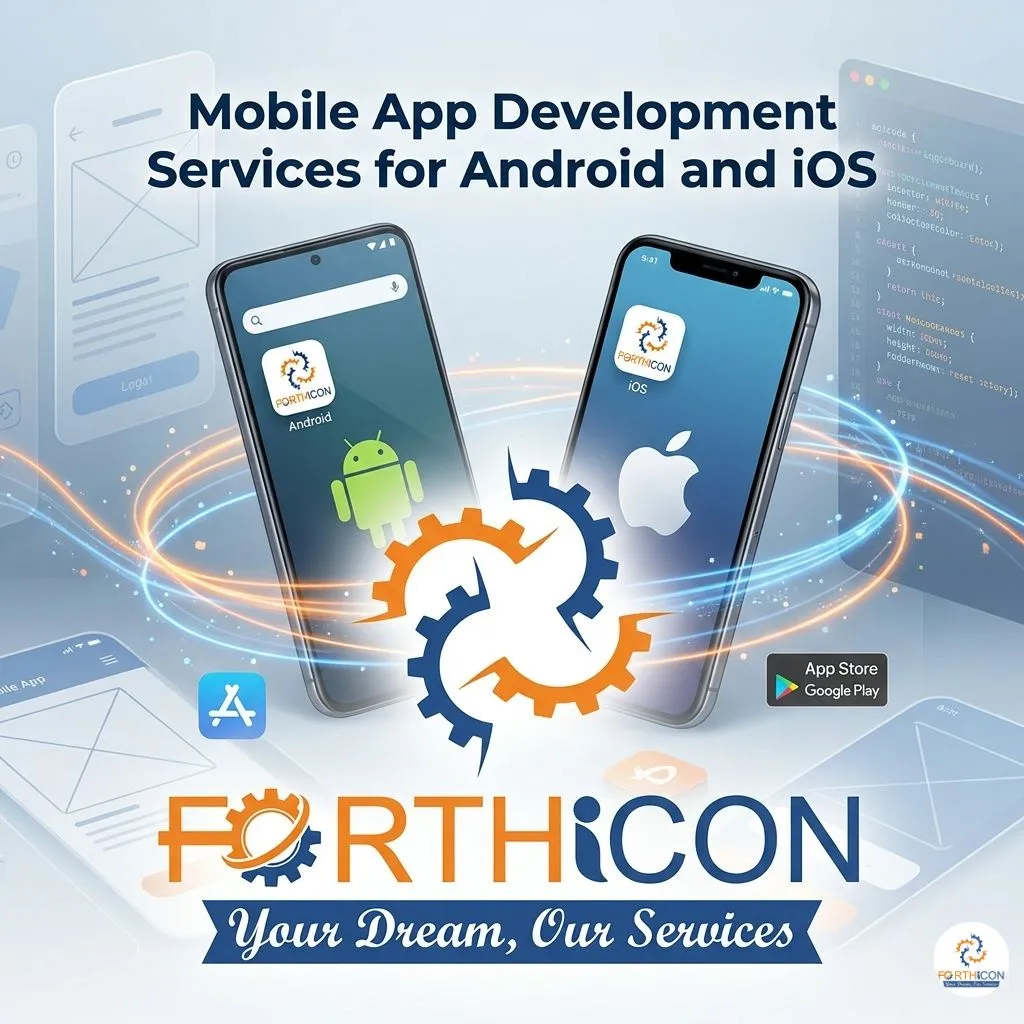
- Android and iOS app development
- Cross-platform app development
- UI/UX design
- API integration
- App testing and quality assurance
- Deployment to app stores
- Ongoing maintenance and support
These services help businesses create reliable, user-friendly, and scalable mobile applications that deliver exceptional performance and customer satisfaction.
Why Mobile Apps Are Important for Businesses
Mobile applications have become a powerful tool for businesses to connect with customers and improve operational efficiency.
Here are some key reasons why businesses invest in mobile app development services.
Increased Customer Engagement
Mobile apps provide a direct communication channel between businesses and customers. Features such as push notifications, in-app messaging, and personalized offers help companies engage users more effectively.
Improved Brand Visibility
A mobile application increases brand recognition because customers interact with the brand frequently through their smartphones.
Better Customer Experience
Mobile apps provide faster access to services compared to websites. With intuitive navigation and smooth performance, users enjoy a better experience.
Higher Revenue Opportunities
Many businesses generate revenue through mobile apps using subscriptions, in-app purchases, and advertisements.
Competitive Advantage
Businesses that invest in advanced mobile app development services can stay ahead of competitors by providing innovative digital solutions.
Types of Mobile App Development
Mobile app development can be categorized into several types depending on business requirements.
Native App Development
Native apps are built specifically for a particular operating system such as Android or iOS.
Advantages include:
- High performance
- Better user exp
- Access to device features
- Improved security
Cross-Platform App Development Key Features of Successful Mobile Applications
Cross-platform apps work on multiple operating systems using a single codebase.
Popular technologies include:
- React Native
- Flutter
- Xamarin
Benefits of cross-platform development include faster development and lower costs.
Progressive Web Apps
Progressive web apps combine the features of websites and mobile apps. They run in browsers but provide app-like experiences such as offline access and push notifications.
Key Features of Successful Mobile Applications
A successful mobile app must include features that enhance usability, performance, and user engagement.
User-Friendly Interface
A clean and intuitive interface ensures users can easily navigate through the app.
Fast Performance
Mobile apps must load quickly and function smoothly without crashes.
Security and Data Protection
Security features such as encryption, authentication, and secure APIs protect user data.
Offline Capabilities
Many mobile apps allow users to access certain features even without an internet connection.
Push Notifications
Push notifications help businesses communicate updates, promotions, and reminders directly to users.
Mobile App Development Process
Professional mobile app development services follow a structured process to deliver high-quality applications.
Discovery and Planning
1.This stage involves understanding the client’s requirements, target audience, and business goals. Developers conduct research and define the app’s features and functionality.
2. UI/UX Design
Designers create wireframes and prototypes to visualize the app’s layout and user journey. A good design improves user satisfaction and engagement.
3. App Development
During this stage, developers write code and build the application’s core functionality. The development may include front-end and back-end integration.
4. Testing and Quality Assurance
Before launching the app, testers check for bugs, performance issues, and compatibility across different devices.
5. Deployment
The app is published on platforms like the Google Play Store and Apple App Store.
6. Maintenance and Updates
Regular updates ensure the app remains secure, functional, and compatible with new operating system version.
Technologies Used in Mobile App Development
Modern mobile applications are built using advanced technologies that ensure scalability and performance.
Frontend Technologies
Frontend technologies focus on the user interface and user experience.
Examples include:
- React Native
- Flutter
- Swift
- Kotlin
Backend Technologies
Backend development manages server-side logic, databases, and APIs.
Common backend technologies include:
- Node.js
- Python
- .NET
Database Technologies
Mobile applications store and manage data using databases such as:
- MySQL
- MongoDB
- PostgreSQL
- Firebase
Cloud Integration
Cloud services improve scalability and performance.
Popular cloud platforms include:
- Amazon Web Services
- Microsoft Azure
- Google Cloud Platform
Benefits of Professional Mobile App Development Services
Working with experienced developers ensures your mobile app meets industry standards and delivers excellent results.
Custom Solutions
Professional developers create tailored applications based on specific business requirements.
High Security Standards
Secure coding practices protect user data and prevent cyber threats.
Scalability
Mobile apps can easily scale as your business grows.
Integration with Existing Systems
Mobile apps can integrate with CRM systems, payment gateways, and other enterprise tools.
Ongoing Technical Support
Reliable support ensures your application remains updated and functional.
Industries That Benefit from Mobile Apps
Mobile applications are widely used across multiple industries.
E-Commerce
E-commerce businesses use mobile apps for online shopping, product browsing, and secure payments.
Healthcare
Healthcare apps allow patients to book appointments, consult doctors, and manage health records.
Banking and Finance
Financial institutions use mobile apps for secure banking transactions and account management.
Education
Educational apps provide online learning platforms and digital classrooms.
Logistics
Logistics companies use mobile apps for shipment tracking and supply chain management.
Choosing the Right Mobile App Development Company
Selecting the right development partner is crucial for the success of your mobile application.
Consider the following factors when choosing a mobile app development service provider.
Experience and Expertise
Check the company’s experience in developing mobile apps for different industries.
Technology Stack
Ensure the development team uses modern technologies and frameworks.
Portfolio and Client Reviews
Review previous projects and customer feedback to evaluate quality.
Development Process
A transparent development process ensures smooth communication and timely delivery.
Post-Launch Support
Reliable maintenance and support services ensure long-term app success.
Future Trends in Mobile App Development
Mobile technology continues to evolve rapidly, and businesses must stay updated with emerging trends.
Artificial Intelligence Integration
AI-powered apps provide personalized experiences and automation.
Internet of Things Integration
IoT-enabled apps connect smart devices and improve operational efficiency.
Augmented Reality and Virtual Reality
AR and VR technologies create immersive experiences in gaming, retail, and education.
5G Technology
5G improves mobile app speed, connectivity, and performance.
Voice-Based Applications
Voice assistants and voice-enabled apps are becoming increasingly popular.
Why Businesses Should Invest in Mobile Apps Today
Mobile apps have become an essential digital tool for modern businesses. They help organizations reach customers more effectively, improve operational efficiency, and generate new revenue streams.
With the rapid growth of smartphone usage, investing in mobile app development services allows businesses to remain competitive in a digital-first world.
A well-designed mobile application not only enhances customer experience but also strengthens brand loyalty and trust.
Conclusion
Mobile applications are transforming how businesses interact with customers and deliver services. By investing in professional mobile app development services, companies can create powerful digital solutions that drive growth and innovation.
From Android and iOS development to cross-platform applications, modern mobile technologies enable businesses to build scalable, secure, and high-performing apps.
If your business wants to expand its digital presence and provide exceptional user experiences, partnering with a reliable mobile app development company can help you turn your ideas into successful mobile applications.
Frequently Asked Questions (FAQs)
1. What are mobile app development services?
Mobile app development services include designing, developing, testing, and deploying applications for smartphones and tablets. These services help businesses create custom apps for Android and iOS platforms to improve customer engagement, streamline operations, and expand digital presence.
2. Why are mobile app development services important for businesses?
Mobile app development services allow businesses to connect directly with customers through their smartphones. Mobile apps improve user experience, increase brand visibility, enable faster communication, and create new revenue opportunities through digital platforms.
3. What platforms are supported in mobile app development?
Most mobile app development services focus on the two major mobile platforms:
- Android
- iOS
Developers may build native apps for each platform or use cross-platform technologies to develop apps that work on both systems.
4. How long does it take to develop a mobile application?
The development time depends on the complexity and features of the application. A basic mobile app may take 2–3 months, while advanced applications with complex functionality can take 6 months or longer to develop.
5. What technologies are used in mobile app development?
Modern mobile app development services use technologies such as:
- React Native
- Flutter
- Kotlin
- Swift
- Node.js
These technologies help developers build fast, scalable, and high-performance applications.
6. What is the difference between native and cross-platform app development?
Native app development involves creating separate apps for Android and iOS using platform-specific languages. Cross-platform development allows developers to build a single application that works on multiple platforms using frameworks like Flutter or React Native.
7. How much do mobile app development services cost?
The cost of mobile app development depends on factors such as app features, design complexity, development platform, and integration requirements. A basic application may cost less, while enterprise-level apps with advanced functionality require a higher investment.
8. What industries benefit from mobile app development services?
Mobile applications are widely used across many industries, including:
- E-commerce
- Healthcare
- Banking and finance
- Education
- Logistics
- Travel and hospitality
These industries use mobile apps to improve efficiency, provide better services, and enhance customer experience.
9. How do businesses choose the right mobile app development company?
When selecting a development company, businesses should consider experience, technology expertise, portfolio, client reviews, and the ability to provide ongoing support and maintenance after the app is launched.
10. Do mobile apps require regular maintenance?
Yes, mobile applications require regular updates and maintenance to ensure compatibility with new operating system versions, fix bugs, improve security, and introduce new features based on user feedback.