
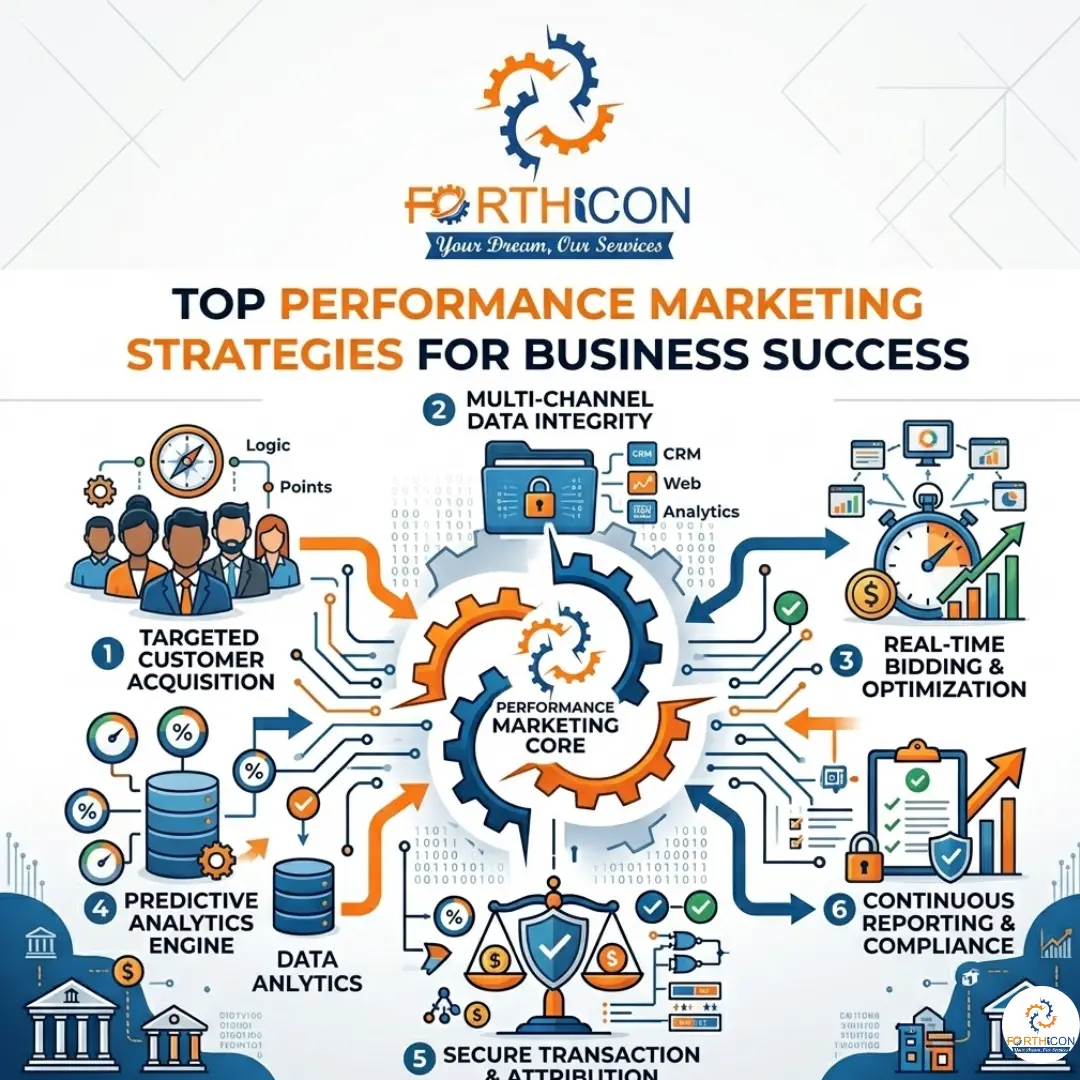
Table of Contents
Introduction
In today’s competitive digital landscape, businesses can no longer rely on guesswork when it comes to marketing. Every rupee spent must deliver measurable results. This is where performance Based marketing comes into play.
Unlike traditional marketing approaches, performance marketing focuses on outcomes such as clicks, leads, conversions, and sales. It is a data-driven strategy that allows businesses to track, analyze, and optimize campaigns in real time.
Whether you are a startup, SME, or enterprise, adopting the right performance marketing strategies can significantly improve your ROI and accelerate business growth.
In this comprehensive guide, we will explore the top strategies, benefits, tools, and best practices to help you succeed with performance marketing.
What is Performance Based Marketing?
Performance Based marketing is a digital marketing strategy where advertisers pay only when a specific action is completed. These actions can include:
- Website clicks
- Lead generation
- Sales conversions
- App installs
- Form submissions
This model ensures that your marketing budget is spent efficiently, making performance marketing one of the most cost-effective approaches available today.
Why Performance Based Marketing Matters for Businesses
1. Measurable Results
Every campaign is tracked using analytics, making it easy to measure success.
2. Cost Efficiency
You pay only for actual results, reducing wasted spend.
3. Better Targeting
Advanced targeting ensures your ads reach the right audience.
4. Real-Time Optimization
Campaigns can be adjusted instantly for better performance.
5. Higher ROI
Data-driven decisions lead to improved returns on investment.
Top Performance Based Marketing Strategies
1. Data-Driven Audience Targeting
Understanding your audience is the foundation of successful campaigns.
Key Techniques:
- Behavioral targeting
- Demographic segmentation
- Interest-based targeting
- Retargeting campaigns
By leveraging data insights, performance marketing becomes more precise and effective.
2. Search Engine Marketing (SEM)
Search engine marketing is one of the most powerful performance marketing strategies.
Benefits:
- High-intent traffic
- Immediate visibility
- Scalable campaigns
Platforms like Google Ads allow businesses to bid on keywords and appear at the top of search results.
3. Social Media Advertising
Social media platforms offer highly targeted advertising options.
Popular Platforms:
Strategy:
- Create engaging ad creatives
- Use audience segmentation
- Run A/B testing
Social media advertising plays a crucial role in modern performance marketing campaigns.
4. Affiliate Marketing
Affiliate marketing allows businesses to partner with publishers or influencers who promote products in exchange for a commission.
Advantages:
- Low risk
- Performance-based payment
- Wider reach
This makes affiliate marketing an essential part of performance marketing.
5. Conversion Rate Optimization (CRO)
Driving traffic is important, but converting that traffic is critical.
CRO Techniques:
- Improve landing page design
- Optimize call-to-action (CTA)
- Reduce page load time
- Simplify forms
Optimizing conversions ensures better results from your performance marketing efforts.
6. Retargeting Campaigns
Most users don’t convert on their first visit. Retargeting helps bring them back.
How it works:
- Track user behavior
- Show personalized ads
- Encourage conversion
Retargeting significantly improves conversion rates in performance marketing.
7. Content Marketing Integration
Content marketing supports performance marketing by building trust and engagement.
Examples:
- Blog posts
- Videos
- Infographics
- Case studies
High-quality content helps attract and nurture leads effectively.
8. Email Marketing Automation
Email marketing remains one of the highest ROI channels.
Strategies:
- Personalized campaigns
- Automated workflows
- Lead nurturing sequences
When combined with performance marketing, email campaigns drive consistent conversions.
Tools Used in Performance Based Marketing
To succeed, businesses rely on powerful tools:
- Google Analytics
- Google Ads
- Facebook Ads Manager
- HubSpot
- SEMrush
These tools help track performance, analyze data, and optimize campaigns.
Key Metrics to Track
Measuring success is essential in performance marketing.
Important KPIs:
- Cost Per Click (CPC)
- Cost Per Acquisition (CPA)
- Return on Ad Spend (ROAS)
- Click-Through Rate (CTR)
- Conversion Rate
Tracking these metrics ensures continuous improvement.
Common Mistakes to Avoid
Even the best campaigns can fail if mistakes are made.
Avoid:
- Poor audience targeting
- Ignoring analytics
- Weak ad creatives
- Not optimizing landing pages
- Lack of testing
Avoiding these errors improves performance marketing outcomes.
Best Practices for Success
✔ Set Clear Goals
Define objectives before launching campaigns.
✔ Test and Optimize
Run A/B tests regularly.
✔ Focus on Quality Content
Engaging content improves conversions.
✔ Use Automation Tools
Save time and improve efficiency.
✔ Monitor Performance
Continuously analyze and improve campaigns.
Benefits of Performance Based Marketing
- Higher ROI
- Better targeting
- Measurable results
- Scalable campaigns
- Improved customer acquisition
Performance marketing empowers businesses to grow faster and smarter.
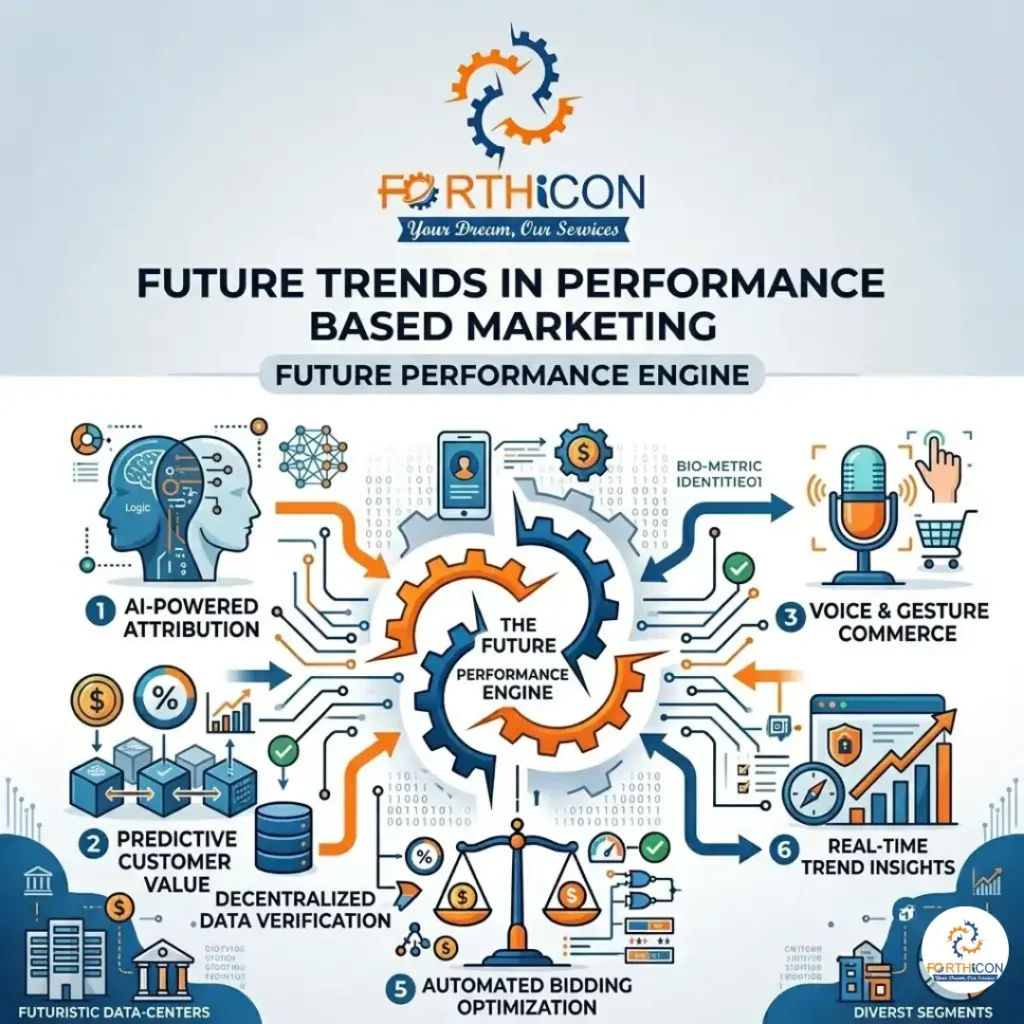
Future Trends in Performance Based Marketing
The future of performance marketing is driven by innovation.
🔮 Trends:
- AI-driven marketing
- Voice search optimization
- Video advertising growth
- Personalization at scale
- Privacy-focused marketing
Staying updated with these trends ensures long-term success.
Conclusion
In conclusion, performance Based marketing is a powerful strategy that enables businesses to achieve measurable results and maximize ROI. By leveraging data, advanced tools, and targeted campaigns, companies can drive growth and stay ahead of the competition.
Whether you are investing in paid ads, social media, or content marketing, implementing the right performance marketing strategies will help you achieve sustainable business success.
Start optimizing your campaigns today and unlock the true potential of performance marketing.
Frequently Asked Questions (FAQ) on Performance Based Marketing
1. What is performance marketing and how does it work?
Performance marketing is a results-driven digital marketing approach where businesses pay only when a specific action is completed. These actions may include clicks, leads, sales, app installs, or sign-ups.
Unlike traditional advertising, where you pay upfront without guaranteed results, performance marketing ensures that every rupee spent contributes directly to measurable outcomes. This makes it highly efficient and cost-effective.
The process works by using platforms like search engines, social media networks, and affiliate channels. Advertisers create campaigns, define their target audience, and set performance goals. Advanced tracking tools then monitor user behavior and campaign effectiveness in real time.
For example, if a business runs a paid advertising campaign, it may only pay when a user clicks on the ad or completes a purchase. This model ensures better accountability and transparency.
Overall, performance marketing focuses on maximizing return on investment (ROI) by aligning marketing spend with actual results.
2. Why is performance Based marketing important for modern businesses?
In today’s digital-first world, businesses need marketing strategies that deliver measurable and scalable results. Performance marketing has become essential because it offers clear insights into what works and what doesn’t.
One of the biggest advantages is accountability. Every campaign can be tracked, analyzed, and optimized based on real data. This eliminates guesswork and allows businesses to make informed decisions.
Additionally, performance marketing helps companies optimize their budgets. Since you pay only for results, there is minimal wastage compared to traditional advertising methods.
It also enables precise audience targeting. Businesses can reach specific customer segments based on demographics, interests, behavior, and location. This increases the chances of conversions and improves overall campaign performance.
In short, performance marketing is crucial for businesses looking to achieve sustainable growth, improve efficiency, and stay competitive.
3. What are the main channels used in performance Based marketing?
Performance marketing uses multiple digital channels to drive results. Each channel plays a unique role in reaching and engaging the target audience.
Key Channels Include:
- Search Engine Marketing (SEM): Paid ads on search engines like Google
- Social Media Advertising: Campaigns on platforms like Facebook, Instagram, and LinkedIn
- Affiliate Marketing: Partnerships with publishers or influencers
- Display Advertising: Banner ads on websites and apps
- Email Marketing: Targeted email campaigns for lead nurturing
Each channel can be optimized based on business goals. For example, search ads are ideal for high-intent users, while social media ads are great for brand awareness and engagement.
A successful performance marketing strategy often combines multiple channels to maximize reach and results.
4. How is performance Based marketing different from traditional marketing?
The key difference lies in how results are measured and how payments are structured.
Traditional marketing methods, such as TV ads or print media, require upfront investment without guaranteed outcomes. Businesses cannot easily track how many people actually converted after seeing an ad.
In contrast, performance marketing is entirely data-driven. Every interaction is tracked, and businesses pay only when specific actions are completed.
Key Differences:
- Measurement: Performance marketing provides real-time data
- Cost Model: Pay-for-performance vs fixed cost
- Targeting: Highly specific audience targeting
- Optimization: Continuous improvement based on data
Because of these advantages, performance marketing has become the preferred choice for modern businesses.
5. What are the most important metrics in performance Based marketing?
Tracking the right metrics is essential for campaign success. These metrics help businesses understand how well their campaigns are performing.
Key Performance Indicators (KPIs):
- Cost Per Click (CPC): Amount paid for each click
- Cost Per Acquisition (CPA): Cost of acquiring a customer
- Return on Ad Spend (ROAS): Revenue generated from ads
- Click-Through Rate (CTR): Percentage of users who click on ads
- Conversion Rate: Percentage of users who complete desired actions
By analyzing these metrics, businesses can identify strengths, weaknesses, and areas for improvement.
6. How can businesses improve their performance Baesd marketing campaigns?
Improving campaign performance requires continuous testing, analysis, and optimization.
Effective Strategies:
- Use detailed audience targeting
- Create compelling ad creatives
- Optimize landing pages
- Run A/B tests regularly
- Monitor performance metrics
Businesses should also focus on user experience. A fast-loading, mobile-friendly website can significantly improve conversion rates.
Performance marketing is not a one-time effort—it requires ongoing refinement to achieve the best results.
7. What is the role of data in performance Based marketing?
Data is the backbone of performance marketing. It helps businesses make informed decisions and optimize campaigns effectively.
Through data analysis, marketers can:
- Understand customer behavior
- Identify high-performing channels
- Optimize ad spend
- Improve targeting accuracy
Advanced tools provide insights into user journeys, helping businesses deliver personalized experiences. This leads to better engagement and higher conversions.
Without data, performance marketing would lose its effectiveness and precision.
8. Is performance marketing suitable for small businesses?
Yes, performance marketing is highly suitable for small businesses. In fact, it is one of the best marketing approaches for companies with limited budgets.
Since businesses pay only for results, they can control costs and maximize returns. Small businesses can start with a small budget and scale campaigns as they see positive results.
Additionally, performance marketing allows precise targeting, ensuring that even small businesses can reach their ideal customers without wasting resources.
It provides a level playing field where smaller companies can compete with larger brands.
9. What are the common challenges in performance marketing?
While performance marketing offers many benefits, it also comes with challenges:
- High competition in popular channels
- Rising advertising costs
- Constant algorithm changes
- Data privacy regulations
- Managing multiple platforms
To overcome these challenges, businesses need a strong strategy, skilled professionals, and the right tools.
Regular monitoring and optimization are essential to stay ahead in a competitive market.
10. What is the future of performance marketing?
The future of performance marketing is driven by technology and innovation.
Emerging Trends:
- Artificial Intelligence (AI) for automation
- Personalized marketing experiences
- Voice search optimization
- Video-based advertising
- Privacy-focused marketing strategies
As technology evolves, performance marketing will become more efficient and user-centric. Businesses that adapt to these trends will gain a competitive advantage.