
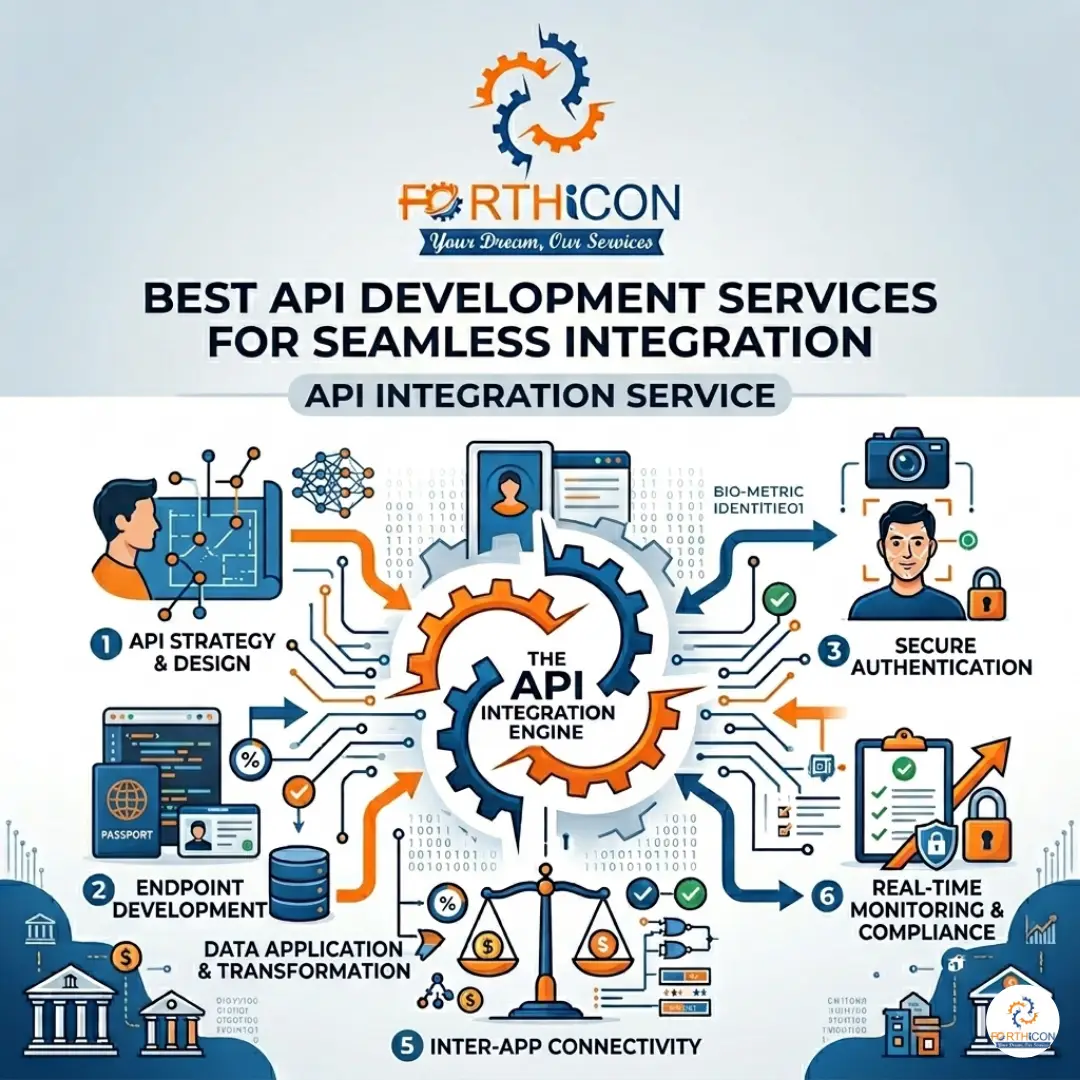
Table of Contents
Introduction
In today’s fast-paced digital ecosystem, businesses rely heavily on multiple software systems, applications, and platforms to manage operations. However, without proper integration, these systems often work in silos, leading to inefficiencies, data inconsistencies, and poor user experience.
This is where a professional API development service becomes essential.
APIs (Application Programming Interfaces) act as bridges that allow different software systems to communicate with each other seamlessly. Whether you’re integrating a payment gateway, connecting CRM software, or building scalable web applications, APIs are the backbone of modern digital infrastructure.
In this comprehensive guide, we will explore everything you need to know about API development services, including benefits, types, strategies, and best practices for achieving seamless integration.
What is an API Development Service?
An API development service involves designing, building, testing, and maintaining APIs that enable communication between different software systems.
Instead of building everything from scratch, APIs allow developers to connect existing systems and reuse functionalities efficiently.
Simple Example:
When you log into a website using your Google or Facebook account, an API enables that connection.
Why Businesses Need API Development Services
Modern businesses require fast, scalable, and flexible solutions. A reliable API development service helps achieve this by enabling smooth data exchange and automation.
Key Benefits:
✔Seamless Integration
Connect multiple platforms like CRM, ERP, and mobile apps effortlessly.
✔Improved Efficiency
Automate workflows and reduce manual tasks.
✔Scalability
Easily expand systems as your business grows.
✔Better User Experience
Ensure faster and smoother application performance.
✔Cost Savings
Reduce development time by reusing existing functionalities.
🧩 Types of APIs Used in Development
Understanding different API types helps businesses choose the right solution.
Open APIs (Public APIs)
Available to external developers and used for integrations like payment gateways.
Internal APIs
Used within organizations to improve internal processes.
Partner APIs
Shared with specific business partners for secure collaboration.
Composite APIs
Combine multiple APIs to perform complex operations in a single call.
⚙️ Key Features of a High-Quality API Development Service
Not all APIs are created equal. A professional API development service should include:
- Secure authentication mechanisms
- High scalability
- Fast response time
- Robust documentation
- Error handling and monitoring
- Version control
These features ensure long-term performance and reliability.
🏗️ API Development Process
A structured approach ensures successful API implementation.Understand business needs and integration goals.
1.Requirement Analysis
Understand business needs and integration goals.
2.Design & Architecture
Define endpoints, data formats, and protocols.
3.Development
Build APIs using modern frameworks and technologies.
4.Testing
Ensure functionality, performance, and security.
5.Deployment
Launch APIs in a secure environment.
6.Maintenance
Monitor performance and update regularly.
Importance of API Security
Security is critical in API development.
Common Security Measures:
- Authentication (OAuth, API keys)
- Encryption (HTTPS)
- Rate limiting
- Data validation
A secure API development service protects sensitive data and prevents cyber threats.
📊 Use Cases of API Development Services
APIs are used across various industries and applications.
🔹 E-commerce Integration
Connect payment gateways, inventory systems, and logistics.
🔹 Mobile Applications
Enable real-time data exchange between apps and servers.
🔹 Banking & FinTech
Secure financial transactions and KYC verification.
🔹 Healthcare Systems
Share patient data securely across platforms.
🔹 SaaS Platforms
Integrate third-party tools and services.
📈 Benefits of API Integration for Business Growth
API integration plays a vital role in scaling operations.
Advantages:
- Faster time-to-market
- Improved operational efficiency
- Enhanced customer experience
- Better data synchronization
- Increased innovation
Businesses leveraging API development services gain a competitive edge.
🧠 Best Practices for API Development
To ensure success, follow these best practices:
✔ Use RESTful Architecture
Simple, scalable, and widely adopted.
✔ Maintain Clear Documentation
Helps developers understand and use APIs effectively.
✔ Version Control
Avoid breaking existing integrations.
✔ Optimize Performance
Reduce latency and improve speed.
✔ Monitor and Analyze
Track usage and fix issues proactively.
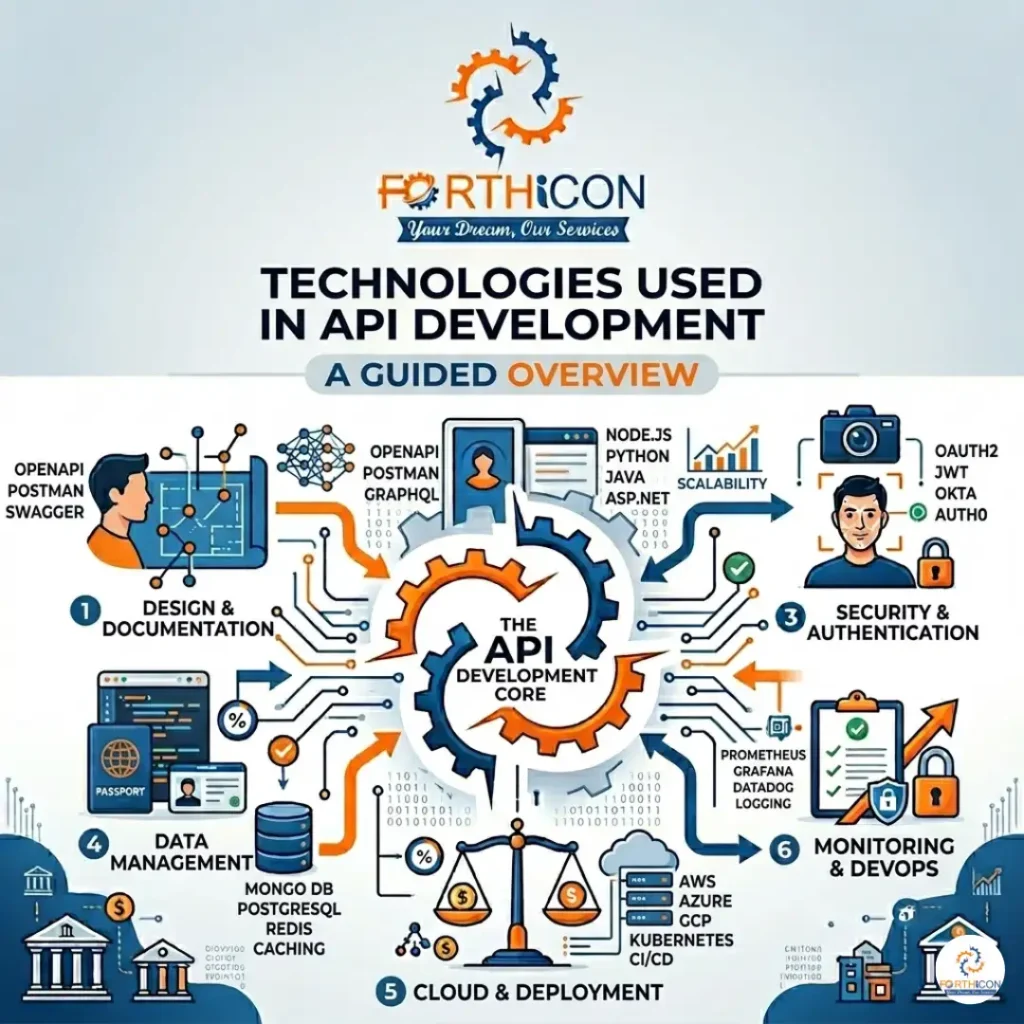
🛠️ Technologies Used in API Development
Modern API development relies on advanced technologies:
- REST & GraphQL
- Node.js, Python, Java
- JSON & XML
- Docker & Kubernetes
- Cloud platforms (AWS, Azure, GCP)
These technologies ensure scalability and efficiency.
⚠️ Common Challenges in API Development
Despite its benefits, API development comes with challenges:
- Security vulnerabilities
- Integration complexity
- Performance issues
- Lack of documentation
- Version management problems
Choosing a reliable API development service provider helps overcome these challenges.
🌟 How to Choose the Right API Development Service
Selecting the right partner is crucial.
Consider These Factors:
- Experience and expertise
- Technology stack
- Security practices
- Client reviews
- Support and maintenance
A trusted service provider ensures smooth implementation and long-term success.
🔮 Future Trends in API Development
The API landscape is evolving rapidly.
🚀 Emerging Trends:
- AI-powered APIs
- Microservices architecture
- Serverless computing
- API-first development
- Increased focus on security
Staying updated with these trends helps businesses stay ahead.
Conclusion
In conclusion, a professional API development service is essential for businesses aiming to achieve seamless integration and digital transformation. APIs enable efficient communication between systems, automate workflows, and improve scalability.
By implementing the right strategies, technologies, and best practices, businesses can unlock new opportunities, enhance user experience, and drive growth.
If you want to stay competitive in today’s digital world, investing in high-quality API development services is no longer optional—it’s a necessity.
Frequently Asked Questions (FAQ) on API Development Service
1.What is an API development service and why is it important for businesses?
An API development service refers to the process of designing, building, testing, and maintaining application programming interfaces (APIs) that allow different software systems to communicate with each other. In simple terms, APIs act as bridges that connect various applications, enabling seamless data exchange and functionality sharing.
In today’s digital ecosystem, businesses rely on multiple platforms such as CRMs, ERPs, mobile apps, and third-party tools. Without proper integration, these systems operate in isolation, leading to inefficiencies and data silos. This is where a professional API development service becomes essential.
By implementing APIs, businesses can automate workflows, improve operational efficiency, and enhance user experience. For example, an e-commerce platform can integrate payment gateways, shipping providers, and inventory systems using APIs, ensuring smooth operations.
Moreover, APIs enable scalability. As your business grows, you can easily integrate new tools and services without rebuilding your entire system. This flexibility makes API solutions a critical component of modern digital transformation strategies.
2. How does an API development service improve system integration?
A well-structured API development service ensures that different software systems can communicate effectively, regardless of their underlying technologies. This is achieved through standardized protocols and data formats such as REST, JSON, and XML.
When systems are integrated through APIs, data flows seamlessly between applications. For instance, when a customer places an order on a website, the API can automatically update the inventory, notify the shipping partner, and send confirmation emails—all in real time.
This level of automation reduces manual intervention, minimizes errors, and speeds up processes. Businesses can operate more efficiently and provide a better customer experience.
Additionally, APIs allow for real-time data synchronization. This means that all connected systems always have the most up-to-date information, which is crucial for decision-making and operational accuracy.
3. What are the different types of APIs used in development?
API development involves several types of APIs, each designed for specific use cases:
🔹 Open APIs (Public APIs)
These are accessible to external developers and are commonly used for integrations like payment gateways and social media logins.
🔹 Internal APIs
Used within an organization to improve internal processes and system communication.
🔹 Partner APIs
Shared with specific business partners to enable secure collaboration.
🔹 Composite APIs
Combine multiple API calls into a single request, improving efficiency and performance.
Choosing the right type of API depends on your business requirements, security needs, and integration goals.
4. What technologies are used in API development?
Modern API development services use a variety of technologies to ensure performance, scalability, and security.
Common Technologies Include:
- RESTful APIs
- GraphQL
- Node.js, Python, Java
- JSON and XML data formats
- Cloud platforms like AWS, Azure, and Google Cloud
These technologies enable developers to build robust and scalable APIs that can handle large volumes of data and user requests.
Additionally, tools like Docker and Kubernetes are used for containerization and deployment, ensuring that APIs run efficiently in different environments.
5. How secure is an API development service?
Security is a critical aspect of API development. A reliable API development service incorporates multiple security measures to protect data and prevent unauthorized access.
Key Security Practices:
- Authentication (OAuth, API keys)
- Data encryption (HTTPS)
- Rate limiting to prevent abuse
- Input validation to avoid vulnerabilities
- Regular security audits
APIs often handle sensitive information such as user data and financial transactions. Therefore, implementing strong security protocols is essential to maintain trust and compliance with regulations.
6. What industries benefit from API development services?
API development services are widely used across various industries due to their versatility and efficiency.
Key Industries Include:
- E-commerce: Payment processing, inventory management
- Banking & FinTech: Secure transactions and KYC verification
- Healthcare: Patient data sharing and system integration
- Travel & Hospitality: Booking systems and real-time updates
- SaaS Platforms: Integration with third-party tools
APIs enable these industries to deliver better services, improve efficiency, and enhance customer experiences.
7. What is the cost of API development services?
The cost of API development services varies depending on several factors:
- Complexity of the project
- Number of integrations required
- Technology stack used
- Security requirements
- Development time
Simple APIs may cost less, while complex enterprise-level integrations require more investment. However, the long-term benefits of efficiency, scalability, and automation often outweigh the initial cost.
Businesses should focus on value rather than just price when choosing an API development service provider.
8. How long does it take to develop an API?
The development timeline depends on the scope and complexity of the project.
Typical Timelines:
- Basic API: 2–4 weeks
- Medium complexity: 1–3 months
- Enterprise-level APIs: 3–6 months
Factors such as testing, security implementation, and integration requirements can impact the timeline.
A structured development process ensures timely delivery without compromising quality.
9. What are the common challenges in API development?
While API development offers many benefits, it also comes with challenges:
- Integration complexity
- Security vulnerabilities
- Performance issues
- Lack of proper documentation
- Version control management
To overcome these challenges, businesses should work with experienced developers and follow best practices.
Proper planning, testing, and monitoring can significantly reduce risks.
10. What is REST API and why is it popular?
REST (Representational State Transfer) is one of the most widely used API architectures.
Why REST is Popular:
- Simple and easy to use
- Scalable and flexible
- Works with standard HTTP methods
- Supports multiple data formats
REST APIs are commonly used in web and mobile applications due to their efficiency and compatibility.