
Table of Contents
Introduction
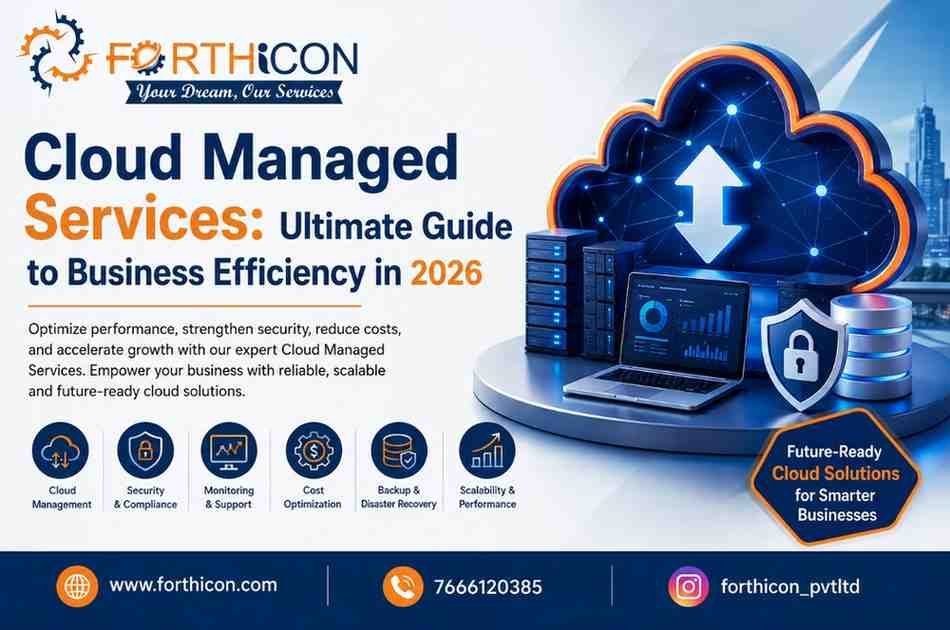
Modern businesses depend heavily on technology to remain competitive, efficient, and scalable. As organizations increasingly migrate applications, data, and workloads to the cloud, managing cloud environments has become more complex than ever before. This is where Cloud Managed Services play a critical role.
Cloud Managed Services provide businesses with expert support for monitoring, maintaining, securing, and optimizing cloud infrastructure. Instead of managing cloud resources internally, organizations can rely on specialized providers to handle daily operations, security, compliance, performance monitoring, and technical support.
In 2026, businesses are adopting cloud technologies at an unprecedented pace. However, simply moving to the cloud is not enough. Companies need efficient cloud management strategies to maximize performance, control costs, and ensure security. This comprehensive guide explores the importance of Cloud Managed Services, their benefits, key features, implementation strategies, and future trends shaping cloud management.
What Are Cloud Managed Services?
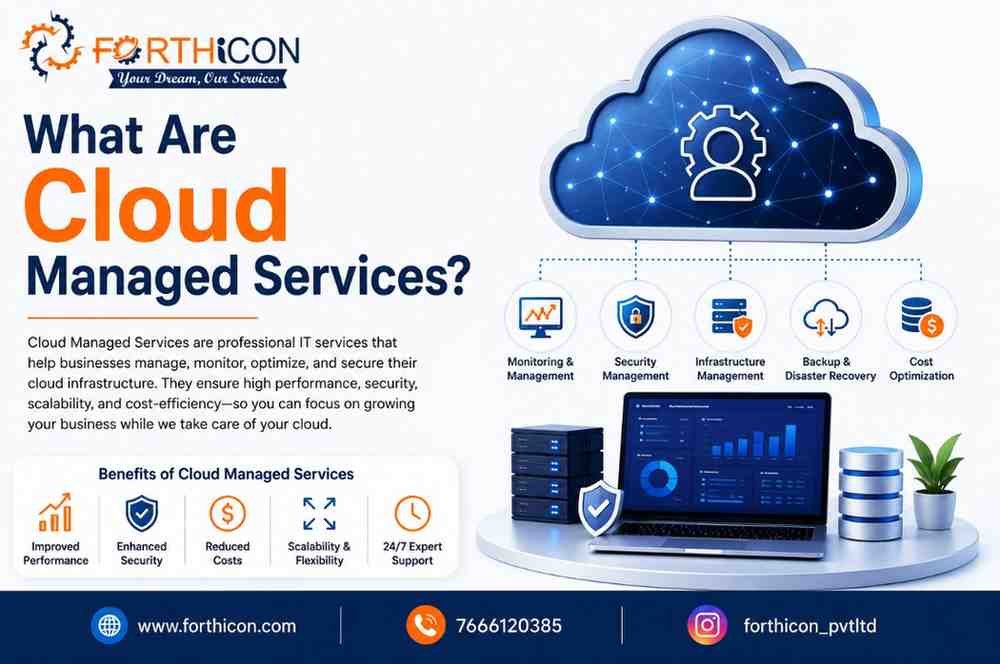
Cloud Managed Services refer to the outsourcing of cloud infrastructure management, monitoring, maintenance, optimization, and support to specialized service providers.
These services help businesses manage:
- Cloud infrastructure
- Virtual servers
- Cloud storage
- Databases
- Network resources
- Security systems
- Backup and disaster recovery
- Application hosting
The primary objective of Cloud Managed Services is to ensure cloud environments remain secure, reliable, scalable, and cost-efficient while reducing the burden on internal IT teams.
Why Businesses Need Cloud Managed Services
Cloud adoption continues to grow across industries. While cloud platforms provide flexibility and scalability, they also introduce management challenges.
Businesses need Cloud Managed Services because they help:
- Reduce IT complexity
- Improve cloud security
- Minimize downtime
- Control operational costs
- Enhance system performance
- Ensure compliance requirements
- Improve business continuity
- Access expert cloud support
Organizations that leverage Cloud Managed Services can focus on core business activities while cloud experts handle infrastructure management.
Key Components of Cloud Managed Services
Cloud Infrastructure Management
Infrastructure management involves monitoring and maintaining cloud resources to ensure optimal performance.
Services include:
- Server management
- Resource allocation
- Capacity planning
- Infrastructure optimization
- Performance monitoring
Effective infrastructure management helps businesses maximize cloud investments.
Cloud Monitoring and Support
Continuous monitoring ensures cloud environments remain healthy and operational.
Monitoring services include:
- Real-time performance tracking
- Incident detection
- System alerts
- Technical support
- Issue resolution
Proactive monitoring minimizes downtime and improves reliability.
Cloud Security Management
Security is one of the most critical aspects of Cloud Managed Services.
Security solutions include:
- Threat detection
- Vulnerability assessments
- Identity and access management
- Data encryption
- Security monitoring
Strong security measures help protect sensitive business data from cyber threats.
Backup and Disaster Recovery
Unexpected disruptions can impact business operations significantly.
Backup and recovery services provide:
- Automated backups
- Disaster recovery planning
- Data restoration
- Business continuity support
- Risk mitigation
These services ensure businesses can recover quickly from failures or cyber incidents.
Cloud Cost Optimization
Many businesses overspend on cloud resources.
Cost optimization services help:
- Eliminate unused resources
- Improve resource utilization
- Monitor cloud spending
- Optimize storage costs
- Reduce operational expenses
Effective cost management increases overall cloud efficiency.
Types of Cloud Managed Services
Public Cloud Management
Public cloud platforms provide shared infrastructure managed by cloud providers.
Popular platforms include:
- Amazon Web Services (AWS)
- Microsoft Azure
- Google Cloud Platform
Public cloud management focuses on optimization, monitoring, and security.
Private Cloud Management
Private clouds provide dedicated environments for organizations with strict security requirements.
Benefits include:
- Greater control
- Enhanced security
- Compliance support
- Custom configurations
Private cloud environments are commonly used in regulated industries.
Hybrid Cloud Management
Hybrid cloud combines public and private cloud environments.
Benefits include:
- Flexibility
- Scalability
- Cost efficiency
- Improved workload management
Many organizations adopt hybrid strategies for balanced performance and security.
Multi-Cloud Management
Multi-cloud environments use multiple cloud providers simultaneously.
Advantages include:
- Vendor flexibility
- Risk reduction
- Improved redundancy
- Enhanced performance
Cloud Managed Services help businesses manage complex multi-cloud environments efficiently.
Major Benefits of Cloud Managed Services
Increased Business Efficiency
Professional cloud management streamlines operations and improves productivity.
Businesses benefit from:
- Faster workflows
- Reduced manual tasks
- Improved system availability
- Better resource utilization
Efficiency improvements directly impact profitability.
Reduced IT Costs
Hiring and maintaining internal cloud specialists can be expensive.
Cloud Managed Services reduce costs by:
- Eliminating staffing expenses
- Optimizing cloud resources
- Preventing costly downtime
- Improving operational efficiency
Businesses gain access to expertise without increasing overhead.
Enhanced Security
Cybersecurity threats continue evolving.
Managed cloud providers offer:
- Continuous monitoring
- Threat detection
- Security audits
- Compliance support
- Incident response
Improved security protects business-critical data and applications.
Better Scalability
Business requirements change frequently.
Cloud environments allow organizations to:
- Scale resources instantly
- Support business growth
- Handle traffic spikes
- Expand operations efficiently
Scalable infrastructure ensures businesses remain agile.
Improved Business Continuity
Disruptions can impact revenue and customer trust.
Cloud management providers implement:
- Disaster recovery plans
- Redundant systems
- Automated backups
- Recovery testing
These measures improve resilience and minimize downtime.
Cloud Security and Compliance
Compliance requirements continue increasing across industries.
Common regulations include:
- GDPR
- HIPAA
- PCI DSS
- ISO Standards
- Industry-specific regulations
Cloud Managed Services help organizations maintain compliance through:
- Security controls
- Audit readiness
- Access management
- Data protection measures
- Compliance monitoring
This reduces legal and operational risks.
Cloud Migration Services
Many businesses are still transitioning from traditional infrastructure to cloud environments.
Migration services include:
Assessment and Planning
Experts evaluate existing systems and determine migration strategies.
Data Migration
Business data is transferred securely to cloud environments.
Application Migration
Applications are optimized and moved to cloud platforms.
Testing and Validation
Systems are tested to ensure proper functionality after migration.
Ongoing Support
Managed providers continue monitoring and optimizing cloud environments.
Successful migration minimizes disruptions and improves operational efficiency.
Industries Using Cloud Managed Services
Healthcare
Healthcare organizations use cloud services for:
- Electronic health records
- Telemedicine
- Patient data management
- Compliance management
Banking and Finance
Financial institutions require:
- Secure transactions
- Fraud detection
- Regulatory compliance
- Risk management
Retail and E-Commerce
Retail businesses benefit from:
- Online store management
- Inventory tracking
- Customer analytics
- Payment processing
Manufacturing
Manufacturers use cloud solutions for:
- Production monitoring
- Supply chain management
- IoT integration
- Predictive maintenance
Education
Educational institutions leverage cloud platforms for:
- Virtual learning
- Student management systems
- Collaboration tools
- Digital resources
Common Challenges Solved by Cloud Managed Services
Businesses often face several cloud-related challenges.
These include:
Lack of Cloud Expertise
Managed providers offer experienced cloud specialists.
Security Risks
Professional security monitoring reduces vulnerabilities.
Rising Cloud Costs
Optimization strategies improve cost control.
Performance Issues
Continuous monitoring improves system performance.
Compliance Concerns
Providers help maintain regulatory compliance.
Addressing these challenges improves overall business operations.
Future Trends in Cloud Managed Services
Technology is evolving rapidly, and businesses must stay ahead to remain competitive. Cloud Managed Services are continuously advancing, helping organizations improve efficiency, security, and scalability. Here are the key trends shaping the future of Cloud Managed Services in 2026.
Step 1: Artificial Intelligence Integration
Artificial Intelligence (AI) is transforming cloud management by automating complex tasks and providing intelligent insights. AI-powered systems can monitor cloud environments in real time, detect potential issues before they occur, and improve overall performance. Businesses benefit from predictive analytics, enhanced security detection, and faster decision-making.
Step 2: Increased Automation
Automation is becoming a core component of modern cloud environments. Cloud Managed Services use automation tools to handle routine tasks such as system updates, resource allocation, backup management, and performance monitoring. This reduces manual effort, minimizes errors, and improves operational efficiency.
Step 3: Growth of Edge Computing
Edge computing allows data processing closer to the source rather than relying solely on centralized cloud servers. This improves response times, reduces latency, and enhances the performance of applications that require real-time data processing, such as IoT devices and smart technologies.
Step 4: Adoption of Zero Trust Security
Cybersecurity remains a top priority for businesses. Zero Trust Security frameworks require continuous verification of users, devices, and applications before granting access. Cloud Managed Services are increasingly implementing these security models to protect sensitive business data from evolving cyber threats.
Step 5: Cloud Native Applications
Organizations are developing cloud-native applications designed specifically for cloud environments. These applications offer better scalability, flexibility, and performance, allowing businesses to innovate faster and respond quickly to changing market demands.ve cloud management capabilities.
How to Choose the Right Cloud Managed Services Provider
Selecting the right provider is essential.
Consider the following factors:
Industry Experience
Choose providers with proven expertise.
Security Capabilities
Evaluate security certifications and practices.
Service Availability
Ensure 24/7 monitoring and support.
Scalability
Verify the provider can support future growth.
Compliance Expertise
Confirm experience with industry regulations.
Transparent Pricing
Understand pricing models and service agreements.
A reliable provider helps maximize cloud investments while minimizing risks.
Why Businesses Partner with Cloud Experts
Managing cloud infrastructure internally can be challenging and resource-intensive.
Organizations partner with cloud specialists because they provide:
- Technical expertise
- Continuous monitoring
- Security management
- Cost optimization
- Performance improvements
- Disaster recovery planning
Professional cloud support allows businesses to focus on innovation and growth.
Conclusion
Cloud Managed Services have become essential for organizations seeking efficiency, scalability, security, and long-term business growth. As cloud adoption continues accelerating in 2026, businesses must ensure their cloud environments remain optimized, secure, and cost-effective.
From infrastructure management and security monitoring to disaster recovery and cloud optimization, Cloud Managed Services provide comprehensive support for modern organizations. These services help reduce operational complexity, improve performance, strengthen cybersecurity, and enhance business continuity.
Businesses that invest in professional Cloud Managed Services gain access to expert guidance, advanced technologies, and proactive support that drive operational excellence. As cloud technologies continue evolving, organizations that embrace managed cloud solutions will be better positioned to achieve sustainable growth, competitive advantage, and digital success in the years ahead.
Frequently Asked Questions (FAQ) About Cloud Managed Services
1. What Are Cloud Managed Services?
Cloud Managed Services are professional IT services that help businesses manage, monitor, optimize, and secure their cloud infrastructure. Instead of relying entirely on an internal IT team, organizations partner with cloud experts who handle day-to-day cloud operations.
These services typically include:
- Cloud monitoring
- Infrastructure management
- Security management
- Backup and disaster recovery
- Performance optimization
- Cost management
- Compliance support
As businesses increasingly adopt cloud technologies, managing cloud environments becomes more complex. Cloud Managed Services simplify this process by providing specialized expertise and proactive support. Organizations can focus on business growth while cloud professionals ensure their infrastructure remains secure, reliable, and efficient.
Cloud providers help businesses maximize the value of cloud investments while reducing operational challenges and technical risks.
2. Why Are Cloud Managed Services Important for Businesses?
Modern businesses depend on technology to support operations, customer engagement, and growth. Managing cloud environments internally can require significant resources and expertise.
Cloud Managed Services are important because they:
- Improve operational efficiency
- Enhance cybersecurity
- Reduce IT costs
- Minimize downtime
- Support business continuity
- Improve system performance
- Ensure compliance requirements
- Provide expert technical support
Without proper management, cloud environments can become costly, inefficient, and vulnerable to security threats. By leveraging Cloud Managed Services, businesses gain access to experienced professionals who continuously monitor and optimize cloud resources.
This allows organizations to achieve better performance while reducing operational complexity and risk.
3. How Do Cloud Managed Services Improve Security?
Security is one of the biggest concerns for businesses using cloud platforms. Cyberattacks, ransomware, phishing attempts, and data breaches continue to increase globally.
Cloud Managed Services enhance security through:
- Continuous security monitoring
- Threat detection systems
- Vulnerability assessments
- Data encryption
- Identity and access management
- Firewall configuration
- Security patch management
- Incident response planning
Cloud specialists proactively identify and address potential vulnerabilities before they become serious threats.
Additionally, Cloud Managed Services help organizations implement advanced security frameworks such as Zero Trust Security and multi-factor authentication.
These measures significantly reduce cybersecurity risks and protect sensitive business information.
4. What Are the Main Benefits of Cloud Managed Services?
Businesses adopt Cloud Managed Services because they deliver numerous operational and strategic benefits.
Key advantages include:
Improved Efficiency
Cloud experts manage infrastructure, allowing internal teams to focus on core business functions.
Reduced Costs
Organizations avoid the expense of hiring and maintaining large in-house cloud teams.
Enhanced Security
Professional monitoring reduces security vulnerabilities and cyber risks.
Better Scalability
Resources can be adjusted quickly as business requirements change.
Increased Reliability
Continuous monitoring helps prevent downtime and system failures.
Regulatory Compliance
Cloud providers assist businesses in meeting industry-specific compliance requirements.
Faster Innovation
Organizations can adopt new technologies more quickly with expert guidance.
These benefits make Cloud Managed Services a valuable investment for businesses seeking long-term growth.
5. Which Industries Benefit Most from Cloud Managed Services?
Almost every industry can benefit from Cloud Managed Services, but some sectors rely on them more heavily due to operational complexity and compliance requirements.
Healthcare
Hospitals and clinics use cloud solutions for patient records, telemedicine, and healthcare management systems.
Banking and Finance
Financial institutions require secure cloud environments for transactions, customer data protection, and compliance.
Retail and E-commerce
Retailers depend on cloud platforms for online stores, inventory management, and customer analytics.
Manufacturing
Manufacturers use cloud technologies for automation, production monitoring, and supply chain management.
Education
Schools and universities utilize cloud systems for online learning and collaboration.
Logistics
Transportation companies use cloud-based solutions for route optimization and fleet management.
Cloud technology supports innovation and operational efficiency across multiple industries.
6. How Do Cloud Managed Services Help Reduce Costs?
Many organizations move to the cloud expecting cost savings but often experience unexpected expenses due to poor resource management.
Cloud Managed Services help reduce costs by:
- Eliminating unused resources
- Optimizing storage utilization
- Managing cloud spending
- Preventing downtime
- Improving infrastructure efficiency
- Reducing staffing requirements
- Automating routine tasks
Cloud specialists continuously analyze resource consumption and recommend improvements.
By implementing cost optimization strategies, businesses avoid overspending while maintaining performance and scalability.
Over time, these savings can significantly improve return on investment and overall profitability.
7. What Is Included in Cloud Monitoring Services?
Monitoring is a core component of Cloud Managed Services. Continuous monitoring ensures cloud environments remain healthy, secure, and operational.
Cloud monitoring typically includes:
- Server performance monitoring
- Application monitoring
- Network monitoring
- Security event monitoring
- Resource utilization tracking
- System alerts
- Incident management
- Performance reporting
Real-time monitoring allows cloud experts to identify and resolve issues before they affect business operations.
This proactive approach improves reliability, reduces downtime, and enhances user experiences.
Organizations benefit from greater visibility into cloud performance and infrastructure health.
8. How Do Cloud Managed Services Support Disaster Recovery?
Unexpected events such as cyberattacks, hardware failures, natural disasters, and human errors can disrupt business operations.
Cloud Managed Services support disaster recovery by implementing:
- Automated backups
- Data replication
- Recovery planning
- Failover systems
- Business continuity strategies
- Disaster recovery testing
These measures ensure critical business data remains protected and accessible.
When disruptions occur, organizations can restore systems quickly and minimize operational downtime.
Effective disaster recovery planning protects revenue, customer trust, and business reputation.
This is one of the most important benefits of professional cloud management.
9. How Do Businesses Choose the Right Cloud Managed Services Provider?
Selecting the right provider is essential for achieving successful cloud outcomes.
Businesses should evaluate providers based on:
Experience
Look for a proven track record in cloud management and industry expertise.
Security Capabilities
Ensure the provider follows best practices for cybersecurity and compliance.
Service Availability
Choose providers that offer 24/7 monitoring and support.
Scalability
Verify that services can support future business growth.
Technology Expertise
Evaluate experience with AWS, Microsoft Azure, Google Cloud, and hybrid environments.
Customer Support
Responsive support is critical during emergencies and technical issues.
A reliable provider should act as a strategic technology partner rather than simply offering technical services.
10. What Is the Future of Cloud Managed Services?
The future of Cloud Managed Services is driven by innovation, automation, and intelligent technologies.
Emerging trends include:
Artificial Intelligence
AI-powered systems improve monitoring, analytics, and threat detection.
Hyperautomation
Automation reduces manual intervention and improves efficiency.
Edge Computing
Data processing moves closer to users and devices for faster performance.
Zero Trust Security
Organizations increasingly adopt advanced identity verification and access controls.
Cloud-Native Development
Applications are being designed specifically for cloud environments.
Sustainable Cloud Computing
Businesses are focusing on environmentally responsible technology practices.
Advanced Analytics
Organizations use cloud platforms to gain deeper business insights.
As cloud adoption continues expanding, Cloud Managed Services will become even more important for ensuring security, performance, scalability, and business continuity.
Organizations that embrace modern cloud management strategies will be better positioned to compete, innovate, and achieve sustainable growth in the digital economy.