Table of Contents
Introduction
In today’s highly regulated business environment, maintaining Compliance Management is no longer optional. Organizations of all sizes must comply with various government regulations, labor laws, tax requirements, and industry-specific mandates to operate legally and efficiently. Failure to maintain proper Statutory Compliance can lead to financial penalties, legal complications, reputational damage, and operational disruptions.
As businesses grow, compliance requirements become increasingly complex. Managing employee benefits, payroll regulations, taxation, labor laws, and reporting obligations requires expertise and systematic processes. This is where professional Statutory Compliance solutions play a critical role.
Businesses that prioritize Statutory Compliance not only avoid legal risks but also build trust with employees, customers, investors, and regulatory authorities. A strong compliance framework supports business sustainability, operational efficiency, and long-term growth.
This guide explores the importance of Statutory Compliance, key compliance areas, business benefits, challenges, and best practices for ensuring complete regulatory adherence.
What is Compliance Management?
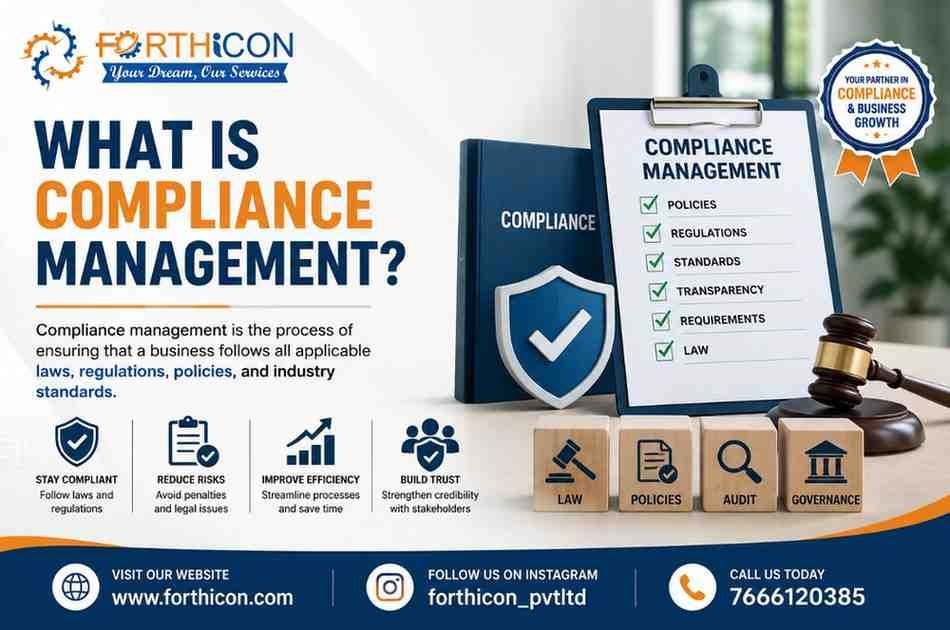
Compliance Management refers to the legal framework that businesses must follow according to government regulations and industry standards. It involves adhering to labor laws, tax regulations, employee welfare provisions, corporate governance requirements, and other legal obligations.
Every organization is required to fulfill specific compliance responsibilities based on its industry, size, location, and workforce structure.
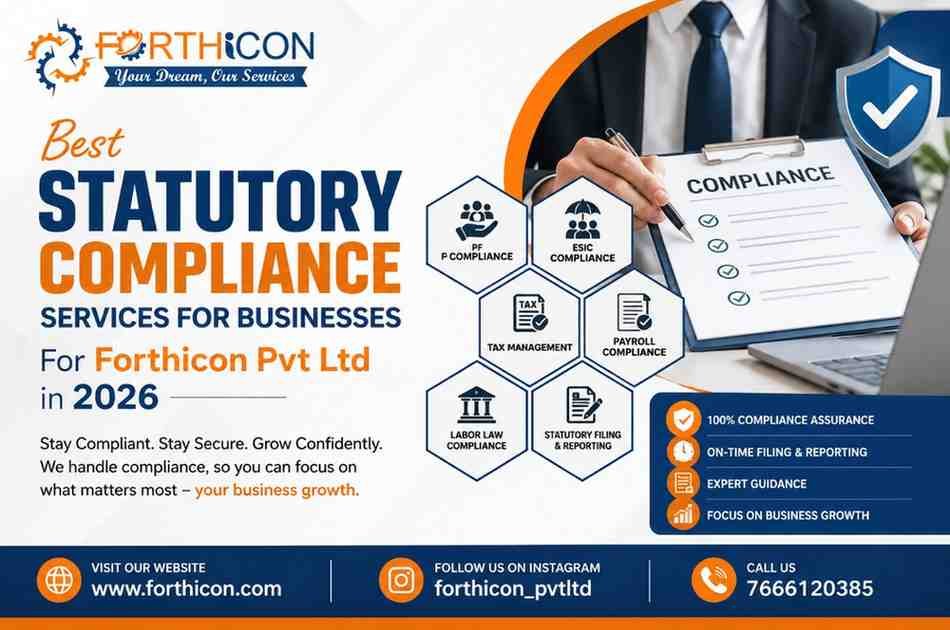
Examples of Statutory Compliance include:
- Provident Fund (PF) Compliance
- Employee State Insurance (ESI)
- Professional Tax
- Labor Law Compliance
- Income Tax Compliance
- GST Compliance
- Payroll Compliance
- Minimum Wage Regulations
- Gratuity Management
- Bonus Compliance
- Shops and Establishment Compliance
- Contract Labor Compliance
Proper Statutory Compliance ensures businesses operate within legal boundaries while protecting employee rights and organizational interests.
Why Compliance Management Matters
Businesses face increasing regulatory scrutiny. Maintaining Compliance Management helps organizations avoid legal complications and improve operational reliability.
Legal Protection
Compliance with applicable laws protects businesses from lawsuits, penalties, audits, and legal disputes.
Financial Security
Non-compliance can result in heavy fines, penalties, and interest charges. Effective Statutory Compliance reduces these financial risks.
Employee Satisfaction
Compliance with labor regulations ensures employees receive their rightful benefits, wages, insurance coverage, and retirement contributions.
Business Reputation
Organizations known for strong Statutory Compliance practices earn greater trust from clients, investors, and partners.
Sustainable Growth
Businesses with effective compliance frameworks can focus on growth without worrying about regulatory challenges.
Key Areas of Compliance Management
Provident Fund Compliance
Provident Fund is a mandatory retirement savings scheme governed by the Employees’ Provident Fund Organisation (EPFO).
PF compliance includes:
- Employee registration
- Monthly PF deductions
- Employer contributions
- Timely filing of returns
- Maintenance of records
Proper PF management is a critical component of Statutory Compliance.
Employee State Insurance Compliance
Employee State Insurance provides healthcare and social security benefits to eligible employees.
ESI compliance involves:
- Employee enrollment
- Monthly contributions
- Filing returns
- Managing claims
- Maintaining records
Organizations must ensure complete Statutory Compliance regarding ESI regulations.
Professional Tax Compliance
Professional Tax is levied by state governments on salaried employees and professionals.
Responsibilities include:
- Registration
- Deduction from employee salaries
- Timely payment
- Return filing
Maintaining Professional Tax obligations is an important aspect of Statutory Compliance.
Payroll Compliance
Payroll processing must comply with various legal requirements.
Payroll-related Statutory Compliance includes:
- Salary calculations
- Tax deductions
- PF contributions
- ESI deductions
- Professional Tax
- Bonus payments
Accurate payroll management reduces compliance risks and employee disputes.
Labor Law Compliance
Labor laws regulate employer-employee relationships and workplace standards.
Key labor law requirements include:
- Minimum wages
- Working hours
- Leave policies
- Employee benefits
- Workplace safety
- Employment contracts
Strong Statutory Compliance helps businesses avoid labor-related disputes and penalties.
GST Compliance
Goods and Services Tax compliance is essential for businesses engaged in taxable transactions.
GST-related obligations include:
- Registration
- Tax collection
- Invoice generation
- Return filing
- Tax payment
Proper GST management strengthens overall Statutory Compliance practices.
Income Tax Compliance
Businesses must comply with various direct tax regulations.
Income tax compliance includes:
- TDS deductions
- Advance tax payments
- Tax return filing
- Record maintenance
- Audit support
Efficient tax management contributes significantly to overall Statutory Compliance.
Challenges in Managing Compliance Management
Many organizations struggle to maintain complete compliance due to evolving regulations and administrative complexity.
Frequent Regulatory Changes
Government regulations change regularly, requiring businesses to continuously update compliance processes.
Complex Documentation
Compliance often involves extensive record keeping and documentation requirements.
Multiple Regulatory Authorities
Organizations must deal with multiple agencies, each having unique reporting standards.
Resource Constraints
Small and medium businesses often lack dedicated compliance teams.
Human Errors
Manual compliance processes increase the risk of calculation mistakes, missed deadlines, and filing errors.
Professional Statutory Compliance services help businesses overcome these challenges effectively.
Benefits of Professional Compliance Management Solutions
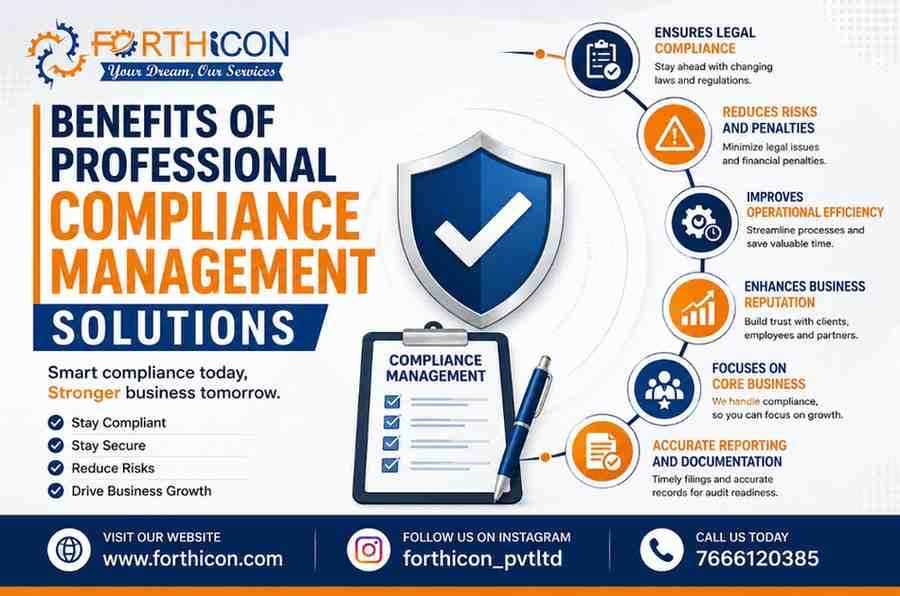
Reduced Legal Risks
Expert compliance management minimizes exposure to legal actions and penalties.
Accurate Documentation
Professional compliance teams maintain proper records and audit trails.
Timely Filings
Automated reminders and dedicated monitoring ensure all compliance deadlines are met.
Improved Employee Trust
Employees gain confidence when organizations consistently fulfill statutory obligations.
Operational Efficiency
Outsourcing compliance responsibilities allows management to focus on business growth.
Enhanced Business Credibility
Companies with strong Statutory Compliance frameworks attract investors, clients, and business partners.
Technology and Compliance Management
Modern technology has transformed compliance management.
Compliance Automation
Automation tools help organizations:
- Track deadlines
- Generate reports
- Calculate contributions
- Manage filings
- Reduce manual effort
Digital Documentation
Electronic records improve accessibility and audit readiness.
Cloud-Based Compliance Platforms
Cloud solutions enable real-time monitoring and centralized compliance management.
Analytics and Reporting
Advanced reporting tools help businesses identify compliance gaps and improve governance.
Technology-driven Statutory Compliance solutions improve accuracy, efficiency, and scalability.
Industries That Require Compliance Management
Almost every industry must maintain regulatory compliance.
Manufacturing
Compliance with labor laws, safety regulations, and environmental standards.
Information Technology
Payroll compliance, tax management, and employee benefits administration.
Healthcare
Healthcare-specific regulations, employee welfare requirements, and taxation obligations.
Banking and Financial Services
Extensive compliance frameworks for employee management and financial reporting.
Retail
Labor compliance, payroll management, and taxation requirements.
Logistics and Transportation
Workforce management, insurance coverage, and employment law compliance.
How Professional Compliance Services Support Businesses
Professional Statutory Compliance providers offer comprehensive support.
Services typically include:
- Compliance audits
- Regulatory updates
- Payroll compliance management
- PF and ESI administration
- Tax compliance assistance
- Documentation management
- Employee benefit administration
- Labor law advisory services
These services help organizations maintain complete legal compliance while reducing administrative burdens.
Best Practices for Effective Compliance Management
Establish Clear Policies
Develop documented compliance procedures and internal controls.
Conduct Regular Audits
Routine audits help identify compliance gaps before they become serious issues.
Stay Updated
Monitor changes in regulations and government notifications.
Train Employees
Educate HR and finance teams about compliance requirements.
Use Compliance Software
Invest in technology solutions that automate compliance processes.
Partner with Experts
Professional Statutory Compliance providers offer specialized expertise and ongoing support.
Compliance Management and Business Growth
Many organizations view compliance as a legal obligation rather than a growth strategy. However, effective Statutory Compliance directly supports business expansion.
Benefits include:
- Improved operational stability
- Reduced legal disruptions
- Stronger employee retention
- Better investor confidence
- Enhanced reputation
- Greater market credibility
Organizations that invest in professional compliance management often experience smoother growth and stronger long-term performance.
Why Choose Forthicon for Compliance Management Services?
At Forthicon, we provide comprehensive Statutory Compliance solutions designed to help businesses meet regulatory requirements efficiently and accurately.
Our services include:
- PF Compliance Management
- ESI Administration
- Payroll Compliance
- Professional Tax Management
- Labor Law Compliance
- Documentation Support
- Compliance Audits
- Regulatory Advisory Services
Our experienced professionals ensure your organization remains compliant while you focus on achieving business goals.
Conclusion
Statutory Compliance is a critical component of successful business management. From payroll regulations and employee benefits to taxation and labor laws, compliance affects every aspect of organizational operations. Businesses that prioritize Statutory Compliance reduce legal risks, improve employee satisfaction, strengthen credibility, and create a solid foundation for sustainable growth.
As regulations continue to evolve, partnering with experienced compliance professionals becomes increasingly important. With the right Statutory Compliance strategy, businesses can confidently navigate regulatory challenges while focusing on innovation, profitability, and expansion.
Whether you are a startup, SME, or large enterprise, investing in professional Statutory Compliance solutions is one of the smartest decisions for long-term business success.
FAQs About Statutory Compliance Services
1. What does statutory compliance mean for a business?
It refers to the legal obligations that an organization must fulfill under applicable laws and government regulations. These obligations can include employee benefit contributions, payroll-related deductions, tax filings, labor law requirements, record maintenance, and periodic reporting to authorities.
In practice, compliance ensures that the business operates within the law and meets its responsibilities toward employees, tax authorities, and regulatory bodies. For most companies, the scope commonly includes PF, ESIC, TDS, professional tax, labor welfare fund contributions, payroll records, and prescribed returns.
2. Which businesses need statutory compliance services?
Any organization with employees and payroll obligations should manage regulatory requirements properly. This includes startups, SMEs, large enterprises, manufacturing units, IT companies, retail businesses, healthcare organizations, educational institutions, and service providers.
The exact requirements depend on factors such as employee count, salary structure, industry, state of operation, and whether the business has multiple locations. As companies grow, compliance management becomes more complex and often requires specialized support.
3. What are the main areas covered by compliance management?
Typical coverage includes:
- Provident Fund registration, deductions, contributions, and filings.
- ESIC enrollment, contribution calculation, and returns.
- TDS calculation, deduction, deposit, quarterly returns, and Form 16 generation.
- Professional tax registration, deductions, payments, and returns where applicable.
- Payroll-related deductions and reporting.
- Labor law documentation and employee records.
- Regulatory filings, notices, and audit support.
A good compliance program integrates these processes with payroll and HR operations to reduce errors and ensure timely filing.
4. Why is payroll closely linked to statutory compliance?
Most employee-related legal obligations are calculated through payroll. Salary processing determines PF, ESIC, TDS, professional tax, bonus, overtime, and other deductions or contributions.
If payroll calculations are incorrect, regulatory filings and deposits may also become incorrect, which can lead to penalties, notices, employee grievances, and reconciliation issues. That is why many businesses use integrated payroll and compliance solutions that automate calculations and maintain audit-ready records.
5. What happens if a company misses a filing or payment deadline?
Consequences vary by regulation, but common outcomes include:
- Late fees and penalties.
- Interest on delayed payments.
- Regulatory notices or audits.
- Difficulty obtaining certain registrations, licenses, or clearances.
- Reputational risk with employees, clients, or investors.
Even when the financial penalty is manageable, repeated delays create operational risk. Timely filing calendars, automated reminders, and professional oversight are often used to prevent missed deadlines.
6. How often should compliance activities be reviewed?
Most organizations review them continuously rather than annually. A practical schedule is:
| Activity | Recommended Frequency |
|---|---|
| Payroll deduction validation | Every payroll cycle |
| PF/ESIC/TDS filings and deposits | Monthly or quarterly, depending on the rule |
| Employee master data review | Monthly |
| Compliance calendar review | Monthly |
| Internal compliance audit | Quarterly or half-yearly |
| Policy and labor law review | Annually or when regulations change |
Frequent reviews reduce the chance of accumulating errors that become expensive to correct later.
7. Can compliance management be outsourced?
Yes. Many companies outsource payroll and regulatory administration to specialized providers. Outsourcing can offer:
- Access to compliance experts.
- Up-to-date knowledge of regulatory changes.
- Automated processing and reporting tools.
- Reduced administrative workload for HR and finance teams.
- Better filing discipline and documentation.
However, outsourcing does not remove the company’s ultimate responsibility to comply with the law. Businesses should choose providers with clear processes, secure data handling, and transparent reporting.
8. What records should be maintained for audit readiness?
Typical audit-ready documentation includes:
- Employee master records and appointment letters.
- Salary structures and payroll registers.
- Attendance and leave records.
- PF/ESIC registration details and contribution statements.
- TDS challans, returns, and Form 16 records.
- Professional tax and other state-specific filings.
- Bank transfer records for salary disbursement.
- Compliance calendars, notices, and correspondence with authorities.
- Internal audit reports and correction logs.
Digital document management is increasingly preferred because it improves accessibility, retention, and traceability during audits.
9. How does technology improve compliance accuracy?
Modern payroll and compliance platforms automate calculations, filing reminders, reconciliation, and report generation. Common benefits include:
- Reduced manual data entry errors.
- Consistent deduction calculations.
- Automatic validation checks.
- Centralized employee and payroll data.
- Faster report preparation.
- Better audit trails and access control.
Technology is most effective when combined with regular review by experienced HR, payroll, or compliance professionals.
10. What should businesses look for in a statutory compliance service provider?
Evaluate providers on both expertise and operational discipline. Key considerations include:
- Experience with PF, ESIC, TDS, payroll, and labor law administration.
- Coverage for multi-state operations if your workforce is distributed.
- Clear filing calendars and escalation procedures.
- Data security standards and access controls.
- Automated payroll and reporting capabilities.
- Transparent pricing and scope of responsibility.
- Audit support and documentation readiness.
- Responsiveness and dedicated account management.
- Evidence of timely filing performance and error-resolution processes.
- Ability to scale as employee count and locations increase.
A strong provider should function as an extension of your HR and finance teams, helping the organization stay compliant while reducing administrative burden and operational risk.