Table of Contents
Introduction
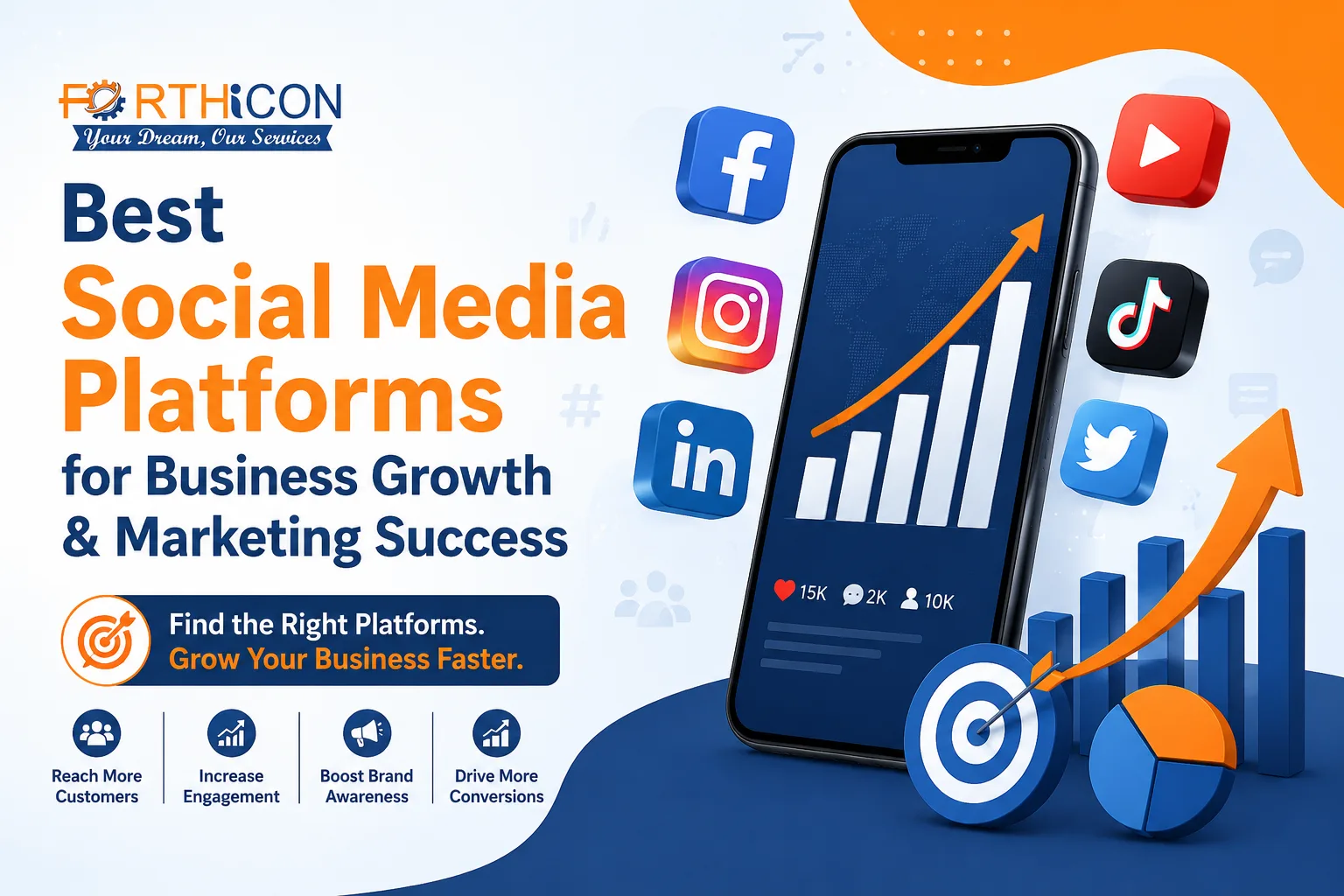
social media platforms for business play a crucial role in modern digital marketing and brand growth. In today’s competitive online world, businesses of all sizes rely on social media networks to increase visibility, generate leads, improve customer engagement, and drive revenue growth.
Whether you run a startup, local business, e-commerce brand, or large enterprise, choosing the right social media platforms can significantly impact your success. Millions of users spend hours daily on platforms like Facebook, Instagram, LinkedIn, YouTube, and TikTok, making them powerful tools for reaching potential customers.
Businesses now use social media not only for advertising but also for customer support, community building, influencer collaborations, and long-term branding strategies. Each platform offers unique features, audience demographics, and marketing opportunities that can help businesses grow faster online.
In this comprehensive guide, we will explore the best social media platforms for business marketing, their benefits, strategies, and how businesses can use them effectively for long-term success.
🌟 Why Social Media Marketing Is Important for Businesses
Social media marketing has transformed the way businesses communicate with customers. Traditional marketing methods are no longer enough to stay competitive in a digital-first world.
Key Benefits of Social Media Marketing
✔ Increased Brand Awareness
Social media platforms help businesses reach a larger audience quickly and efficiently.
✔ Better Customer Engagement
Brands can interact directly with customers through comments, messages, polls, and live sessions.
✔ Cost-Effective Marketing
Compared to traditional advertising, social media marketing is highly affordable and delivers measurable results.
✔ Lead Generation
Businesses can attract potential customers and convert them into loyal clients.
✔ Improved Website Traffic
Sharing valuable content drives traffic to your website and increases conversions.
Using the right social media platforms for business helps companies maximize these benefits and build a strong online presence.
📘 Facebook – The Largest Social Media Platform
Facebook remains one of the most effective platforms for businesses worldwide.
With billions of active users, Facebook allows businesses to connect with diverse audiences through posts, ads, groups, and video content.
Why Businesses Use Facebook
- Large audience reach
- Advanced advertising tools
- Community building opportunities
- Detailed audience targeting
- Affordable marketing campaigns
Best Strategies for Facebook Marketing
🔹 Create Valuable Content
Businesses should post informative, engaging, and visually appealing content regularly.
🔹 Use Facebook Ads
Paid campaigns help businesses reach highly targeted audiences based on demographics and interests.
🔹 Build Communities
Facebook groups can help brands create loyal communities around their products or services.
Facebook continues to be one of the best social media platforms for business marketing due to its versatility and advertising capabilities.
📸 Instagram – Visual Marketing Powerhouse
Instagram is ideal for businesses focusing on visual branding and engagement.
It is especially popular among younger audiences and industries such as fashion, beauty, travel, food, and lifestyle.
Benefits of Instagram for Businesses
Shopping integrations
High engagement rates
Strong visual storytelling
Influencer marketing opportunities
Reels and short-form video growth
Effective Instagram Marketing Tips
📷 Use High-Quality Visuals
Professional images and videos improve brand perception.
🎥 Create Reels
Short videos receive higher engagement and visibility.
🛍 Use Instagram Shopping
Businesses can showcase products directly within the app.
Instagram is one of the fastest-growing social media platforms for business and offers tremendous potential for brand growth.
LinkedIn – Professional Networking for Businesses
LinkedIn is the leading platform for B2B marketing and professional networking.
It helps businesses connect with industry professionals, decision-makers, and potential clients.
Why LinkedIn Matters
- Excellent for B2B marketing
- Professional audience targeting
- Recruitment opportunities
- Thought leadership building
- Lead generation for services
LinkedIn Marketing Strategies
🔹 Publish Industry Insights
Educational and informative posts establish authority.
🔹 Build Professional Connections
Networking increases brand visibility and trust.
🔹 Use LinkedIn Ads
Sponsored campaigns target professionals and businesses effectively.
For companies offering professional services, LinkedIn is one of the most valuable social media platforms for business growth.
🎥 YouTube – The King of Video Marketing
YouTube is the second-largest search engine after Google and a powerful marketing platform.
Video content continues to dominate online engagement, making YouTube essential for businesses.
Benefits of YouTube Marketing
- Long-form educational content
- Massive audience reach
- SEO benefits through Google integration
- Strong brand trust building
- Monetization opportunities
YouTube Content Ideas
🎬 Tutorials & How-To Videos
Educational content attracts long-term viewers.
📦 Product Demonstrations
Showcase features and benefits visually.
👨💼 Customer Testimonials
Build trust using real customer experiences.
YouTube remains one of the most impactful social media platforms for business marketing because video content generates strong engagement and conversions.
🐦 X (Twitter) – Real-Time Engagement
X is known for real-time communication and trending discussions.
Businesses use it for updates, customer service, and industry conversations.
Advantages of X for Businesses
- Fast communication
- Trend participation
- Brand personality building
- Customer support
- Viral marketing opportunities
Best Practices
🔹 Post Consistently
Frequent updates improve visibility.
🔹 Use Trending Hashtags
Trending topics help increase reach.
🔹 Engage With Followers
Responding quickly builds customer trust.
X is particularly useful for brands wanting instant engagement and real-time communication.
🎵 TikTok – Short-Form Video Marketing
TikTok has rapidly become one of the most influential platforms for digital marketing.
Its algorithm allows even small businesses to achieve massive organic reach.
Why Businesses Love TikTok
- Viral content potential
- Younger audience engagement
- Creative marketing opportunities
- High organic reach
- Influencer collaborations
TikTok Marketing Strategies
🎥 Create Authentic Content
Users prefer genuine and entertaining videos.
🔥 Follow Trends
Trending sounds and challenges increase visibility.
🤝 Collaborate With Influencers
Influencers help brands reach targeted audiences quickly.
TikTok is now among the most powerful social media platforms for business targeting Gen Z and younger millennials.
📌 Pinterest – Visual Discovery Platform
Pinterest works exceptionally well for businesses in fashion, home decor, DIY, recipes, and lifestyle niches.
Pinterest users often search for inspiration and products, making it highly conversion-focused.
Benefits of Pinterest Marketing
- Long content lifespan
- High purchase intent users
- Strong website traffic generation
- SEO-friendly platform
Businesses using visual marketing strategies can achieve excellent results through Pinterest.
🛒 Choosing the Right Platform for Your Business
Not every platform is suitable for every business. Choosing the right social media platforms for business depends on your audience, goals, and industry.
Consider These Factors
🎯 Target Audience
Identify where your customers spend most of their time.
📊 Marketing Goals
Decide whether your focus is awareness, leads, sales, or engagement.
📷 Content Type
Choose platforms that match your content style.
💰 Budget
Some platforms require more advertising investment than others.
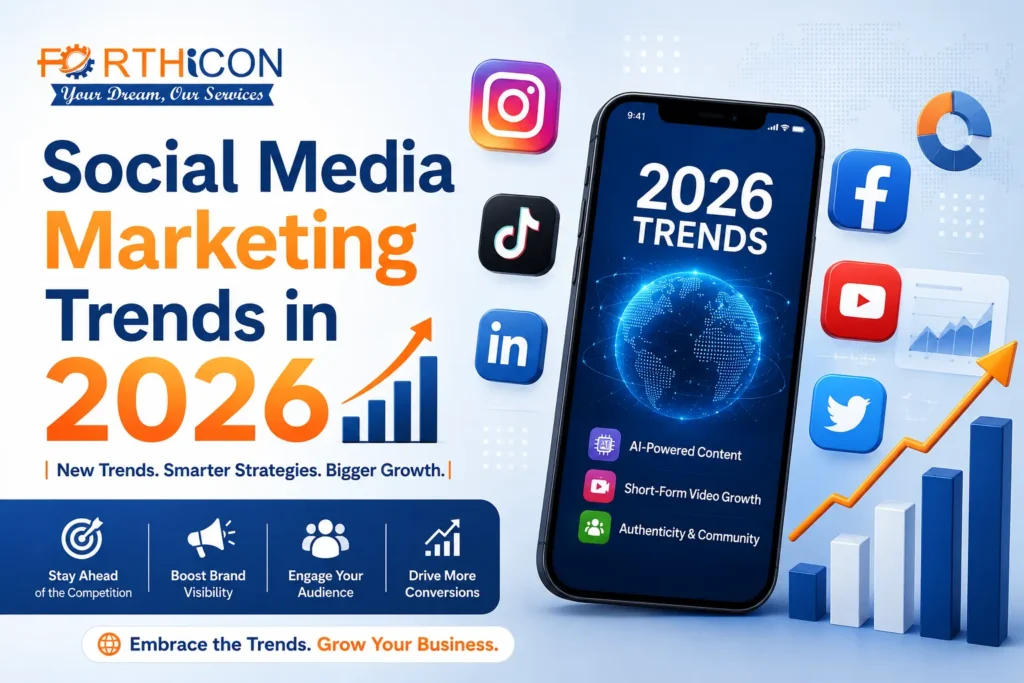
📈 Social Media Marketing Trends in 2026
Social media marketing continues to evolve rapidly.
Emerging Trends
🤖 AI-Powered Marketing
Artificial intelligence is improving targeting and automation.
🎥 Video-First Content
Short-form videos dominate engagement across platforms.
🛍 Social Commerce
Users increasingly purchase products directly through social apps.
👥 Community Building
Brands focus more on building loyal online communities.
Businesses adopting these trends early gain a competitive advantage.
⚠️ Common Social Media Marketing Mistakes
Many businesses fail to achieve results due to avoidable mistakes.
Common Errors
- Posting inconsistent content
- Ignoring analytics
- Using poor-quality visuals
- Over-promoting products
- Not engaging with followers
Avoiding these mistakes improves marketing performance significantly.
🏆 Tips for Successful Social Media Marketing
✔ Create a Content Calendar
Planning content improves consistency.
✔ Focus on Engagement
Respond to comments and messages regularly.
✔ Use Analytics
Track performance and optimize campaigns.
✔ Invest in Paid Ads
Advertising increases reach and conversions.
✔ Stay Updated
Social media algorithms change frequently.
🔗 Useful Marketing Tools
Businesses often use tools like Canva for content creation and Google Analytics for performance tracking.
🏁 Conclusion
Choosing the best social media platforms for business is essential for building brand awareness, generating leads, and driving long-term growth.
Platforms like Facebook, Instagram, LinkedIn, YouTube, TikTok, and Pinterest each offer unique advantages depending on your business goals and target audience.
Success in social media marketing requires consistency, creativity, audience engagement, and data-driven strategies. Businesses that invest in the right platforms and adapt to evolving trends can achieve remarkable results in today’s competitive digital landscape.
Whether you are a startup or an established enterprise, leveraging the right social media platforms for business can help you stay ahead of the competition and connect effectively with your audience.
FAQ – Social Media Platforms for Business
1. What are the best social media platforms for business growth?
The best social media platforms for business growth include Facebook, Instagram, LinkedIn, YouTube, TikTok, and Pinterest. These platforms help businesses increase brand awareness, generate leads, improve customer engagement, and boost online visibility. Facebook is ideal for local businesses and paid advertising campaigns, while Instagram works best for visual branding, influencer marketing, and e-commerce promotions. LinkedIn is highly effective for B2B marketing, professional networking, and lead generation. YouTube helps businesses grow through video marketing, tutorials, and product demonstrations. TikTok is rapidly becoming popular for short-form video marketing and viral content creation. Choosing the right social media platforms for business depends on your target audience, business goals, and content strategy.
2. Why are social media platforms important for businesses?
Social media platforms for business are important because they help companies connect directly with customers, improve online visibility, and increase sales opportunities. Businesses can promote products, share updates, build customer trust, and provide support through social media channels. These platforms also allow businesses to run highly targeted advertising campaigns based on user interests, demographics, and online behavior. Compared to traditional marketing, social media marketing is more cost-effective and delivers measurable results. Businesses that actively use social media platforms often experience better customer engagement, stronger brand authority, and improved website traffic. Social media has become an essential digital marketing tool for businesses of all sizes.
3. Which social media platform is best for small businesses?
Facebook and Instagram are considered the best social media platforms for business marketing for most small businesses. Facebook helps businesses reach local customers, create communities, and run affordable ads. Instagram is highly effective for businesses that rely on visuals such as fashion, beauty, food, travel, and lifestyle brands. LinkedIn works well for service-based companies, consultants, recruiters, and B2B businesses. Small businesses should focus on platforms where their target audience spends the most time. Instead of using every platform, businesses should create high-quality content consistently and engage with their audience regularly to achieve better results.
4. How can businesses increase engagement on social media platforms?
Businesses can improve engagement on social media platforms for business by posting high-quality content, using videos and images, responding to comments, and maintaining consistency. Interactive content such as polls, Q&A sessions, contests, and live videos can significantly increase audience interaction. Businesses should also use trending hashtags, collaborate with influencers, and create content that solves customer problems. Posting at the right time and understanding audience behavior through analytics can improve reach and engagement. Consistent communication and valuable content help businesses build stronger relationships with followers and increase customer trust over time.
5. What are the common mistakes businesses make on social media?
Many businesses make mistakes such as inconsistent posting, poor-quality visuals, ignoring customer engagement, and focusing only on sales promotions. Another major mistake is choosing the wrong social media platforms for business marketing. Businesses should understand their target audience before investing time and money into social media campaigns. Ignoring analytics and performance tracking can also reduce marketing effectiveness. Successful social media marketing requires a clear strategy, audience-focused content, regular posting, and active engagement. Businesses that avoid these mistakes can improve their online presence, increase conversions, and achieve long-term growth through social media marketing.