
Table of Contents
Introduction
The digital landscape continues to evolve at a rapid pace, and businesses must continuously adapt to shifting consumer behavior in order to stay competitive and relevant. Today, billions of people around the world use social media daily to connect with others, discover information, shop for products, and engage with their favorite brands. This massive digital activity has made social media one of the most powerful tools for modern business growth.
As a result, using the right social media platforms to promote business is no longer optional—it has become a core requirement for companies aiming for sustainable success. These platforms offer direct access to highly targeted audiences, enabling businesses to communicate, engage, and convert potential customers more effectively than many traditional marketing channels.
Whether you operate a startup, local business, eCommerce store, B2B company, or large enterprise organization, social media provides scalable opportunities to reach your ideal audience where they already spend their time. Businesses that strategically leverage social media platforms to promote business can strengthen brand awareness, build trust and credibility, generate high-quality leads, increase website traffic, and ultimately drive higher sales and revenue.
The importance of social media marketing continues to grow significantly in 2026, as consumers increasingly depend on digital platforms to research products, compare brands, and make purchasing decisions. Companies that consistently produce engaging content and maintain meaningful interactions with their audience often outperform competitors who lack a strong or consistent online presence.
In today’s highly competitive environment, social media is not just a marketing channel—it is a complete ecosystem for branding, communication, customer service, and sales growth. Brands that invest in a well-planned strategy across the right platforms can build long-term customer relationships and achieve measurable business results.
This comprehensive guide explores the best social media platforms to promote business, their key benefits, effective strategies, and how organizations can maximize return on investment through smart and data-driven social media marketing.
Why Social Media Marketing Matters for Businesses
Social media has transformed the way businesses communicate with customers. Traditional advertising methods are no longer sufficient to capture consumer attention in a highly competitive digital marketplace.
Key reasons businesses invest in social media include:
- Increased brand awareness
- Higher customer engagement
- Improved customer trust
- Better lead generation
- Increased website traffic
- Cost-effective marketing
- Enhanced customer service
- Stronger customer relationships
- Higher conversion rates
- Long-term business growth
Using the right social media platforms to promote business enables organizations to reach highly targeted audiences while maintaining measurable marketing performance.
What Are Social Media Platforms to Promote Business?
Social media platforms to promote business are online networks and digital communities where companies create and share content, interact with their target audience, advertise products or services, and build long-term relationships with customers. These platforms have become essential marketing tools for businesses of all sizes, helping brands connect with potential customers in a more direct and engaging way.
Today, businesses use social media not only for promotion but also for brand building, customer engagement, market research, and sales generation. Whether you run a small startup, a local business, or a large enterprise, social media platforms offer opportunities to reach a wider audience and grow your brand online.
These platforms allow businesses to:
- Share valuable and engaging content
- Run targeted advertising campaigns
- Generate qualified leads
- Provide customer support and assistance
- Build active online communities
- Increase brand visibility and awareness
- Drive website traffic and conversions
- Showcase products and services
- Engage with customers in real time
- Strengthen customer loyalty and trust
Different social media platforms serve different purposes. For example, Facebook is ideal for community engagement and advertising, Instagram focuses on visual content and brand storytelling, LinkedIn is effective for B2B networking, while YouTube helps businesses connect through video marketing. Platforms such as X (formerly Twitter), Pinterest, and TikTok also offer unique ways to reach specific audiences and promote business growth.
By choosing the right social media platforms to promote business, companies can increase their online presence, attract new customers, improve customer relationships, and achieve their marketing goals more effectively. Understanding how each platform works is the first step toward creating a successful social media marketing strategy that delivers measurable results.
1. Facebook
Why Facebook Remains Powerful
Facebook continues to be one of the most effective social media platforms to promote business due to its massive user base and advanced advertising capabilities.
Businesses can use Facebook for:
- Brand awareness campaigns
- Lead generation
- Customer engagement
- Community building
- Product promotions
- Event marketing
Facebook Benefits
- Large audience reach
- Advanced targeting options
- Affordable advertising
- Strong analytics tools
- Multiple content formats
Businesses of all sizes can benefit from Facebook marketing strategies.
2. Instagram
Instagram is ideal for visual storytelling and brand promotion.
As one of the leading social media platforms to promote business, Instagram helps brands showcase products, services, and company culture through engaging visuals.
Instagram Features
- Stories
- Reels
- Live streaming
- Shopping features
- Influencer collaborations
Business Benefits
- High engagement rates
- Strong brand visibility
- Product discovery
- Increased customer interaction
Industries such as fashion, food, fitness, travel, and eCommerce perform particularly well on Instagram.
3. LinkedIn
LinkedIn is the premier platform for B2B marketing and professional networking.
Businesses use LinkedIn to:
- Generate B2B leads
- Recruit talent
- Build authority
- Share industry insights
- Connect with decision-makers
LinkedIn Advantages
- Professional audience
- High-quality leads
- Industry networking
- Thought leadership opportunities
For service providers, consultants, IT companies, and corporate businesses, LinkedIn remains one of the most valuable social media platforms to promote business.
4. YouTube
Video content dominates online engagement.
YouTube allows businesses to educate, inform, and entertain audiences while building trust and authority.
Popular Content Types
- Tutorials
- Product demonstrations
- Customer testimonials
- Educational videos
- Industry insights
Benefits
- Long-term content visibility
- Strong SEO value
- High engagement
- Global reach
Businesses investing in video marketing often experience higher conversion rates.
5. TikTok
TikTok has become a powerful marketing channel for businesses targeting younger demographics.
Brands use TikTok to:
- Create viral content
- Increase brand awareness
- Engage audiences
- Showcase products creatively
Why TikTok Works
- Massive organic reach
- High engagement rates
- Strong algorithm performance
- Creative content opportunities
TikTok continues to rank among the fastest-growing social media platforms to promote business.
6. X (Formerly Twitter)
X remains effective for real-time communication and industry discussions.
Businesses use the platform to:
- Share updates
- Engage with customers
- Monitor trends
- Participate in conversations
Benefits
- Fast information sharing
- Brand visibility
- Industry engagement
- Customer support
The platform is particularly useful for technology companies, media brands, and service providers.
7. Pinterest
Pinterest functions as a visual search engine.
Users actively search for inspiration, products, and solutions, making it highly valuable for businesses.
Best Industries
- Home decor
- Fashion
- Food
- Beauty
- DIY
- Travel
Benefits
- Long content lifespan
- High purchase intent
- Strong referral traffic
Pinterest remains one of the most underrated social media platforms to promote business.
8. WhatsApp Business
WhatsApp Business provides direct communication opportunities.
Businesses use it for:
- Customer support
- Order updates
- Product inquiries
- Appointment scheduling
Benefits
- High open rates
- Personalized communication
- Fast response times
- Improved customer relationships
Many local businesses rely heavily on WhatsApp for customer engagement.
9. Telegram
Telegram offers businesses a unique way to build communities and share content.
Uses
- Customer updates
- Educational content
- Community management
- Product announcements
Its growing user base makes it an emerging option among social media platforms to promote business.
10. Snapchat
Snapchat remains relevant among younger audiences.
Businesses can leverage:
- Short-form content
- AR filters
- Sponsored stories
- Brand campaigns
Companies targeting Gen Z consumers often find value in Snapchat marketing.
How to Choose the Right Social Media Platform
Not every platform is suitable for every business.
Consider:
Target Audience
Understand where your customers spend their time.
Business Goals
Identify whether your focus is:
- Brand awareness
- Lead generation
- Sales
- Customer support
Content Type
Different platforms favor different content formats:
- Videos
- Images
- Articles
- Short-form content
Budget
Advertising costs vary across platforms.
15 Powerful Benefits of Social Media Platforms to Promote Business
1. Increased Brand Awareness
Businesses can reach larger audiences and improve recognition.
2. Better Customer Engagement
Direct communication strengthens customer relationships.
3. Higher Website Traffic
Social media drives visitors to websites and landing pages.
4. Improved Lead Generation
Targeted campaigns attract qualified prospects.
5. Cost-Effective Marketing
Social media often delivers strong ROI compared to traditional advertising.
6. Better Customer Service
Quick responses improve customer satisfaction.
7. Increased Sales
Effective campaigns drive conversions and revenue.
8. Stronger Brand Authority
Consistent content builds trust and credibility.
9. Enhanced Customer Loyalty
Engaged customers become long-term supporters.
10. Competitive Advantage
Active brands often outperform inactive competitors.
11. Real-Time Feedback
Businesses receive immediate customer insights.
12. Better Market Research
Social media helps identify customer preferences.
13. Increased Content Reach
Quality content can reach thousands or millions of users.
14. Improved Search Visibility
Social signals support broader digital marketing efforts.
15. Long-Term Growth
Consistent social media strategies contribute to sustainable business growth.
Effective Social Media Content Strategies
To maximize results from social media platforms to promote business, businesses should focus on high-quality content.
Educational Content
Teach audiences valuable information.
Video Marketing
Create engaging video content.
Customer Testimonials
Showcase real customer experiences.
Behind-the-Scenes Content
Humanize the brand.
Industry Insights
Share expertise and trends.
User-Generated Content
Encourage customer participation
Common Social Media Marketing Mistakes
In today’s competitive digital environment, businesses invest heavily in social media marketing, but many fail to achieve expected results due to avoidable mistakes. Understanding these errors is essential for building a strong and effective online presence.
Businesses should avoid:
- Inconsistent posting that reduces audience engagement and weakens brand visibility
- Ignoring customer comments and messages, which can harm trust and brand reputation
- Excessive promotional content that makes the brand feel overly sales-focused rather than value-driven
- Poor audience targeting that leads to low engagement and wasted advertising budgets
- Lack of analytics tracking, making it difficult to measure performance and improve strategy
- Low-quality visuals that fail to attract attention or represent the brand professionally
- Absence of clear goals, which results in unfocused campaigns and inconsistent outcomes
Avoiding these mistakes improves overall marketing performance, strengthens brand credibility, and ensures more effective use of time and resources. When businesses maintain consistency, focus on value-driven content, and use data-backed strategies, they are more likely to achieve higher engagement, better lead generation, and stronger conversion rates across all social media platforms.
Future Trends in Social Media Marketing for 2026
Several trends are shaping the future of social media platforms to promote business:
Artificial Intelligence
AI improves content creation and personalization.
Social Commerce
More purchases occur directly within social platforms.
Short-Form Video
Video content continues dominating engagement.
Influencer Marketing
Influencers remain powerful brand advocates.
Voice Search Integration
Voice technology influences content discovery.
Personalized Experiences
Businesses increasingly tailor content to individual users.
Measuring Social Media Success
Measuring performance is a crucial part of any digital marketing effort, especially when using social media platforms to promote business. Without proper tracking and analysis, businesses cannot understand what is working, what needs improvement, or how effectively their campaigns are contributing to overall growth. Data-driven insights help organizations refine their strategies and achieve better results over time.
Key metrics include:
- Reach – The number of people who see your content and become aware of your brand
- Engagement – Likes, comments, shares, saves, and overall interaction with your posts
- Click-through rate (CTR) – The percentage of users who click on links in your content or ads
- Conversion rate – The number of users who complete a desired action, such as making a purchase or filling out a form
- Follower growth – The increase in your audience size over time across different platforms
- Lead generation – The number of potential customers captured through campaigns or landing pages
- Website traffic – The volume of visitors directed to your website from social media channels
- Customer retention – The ability to keep existing customers engaged and encourage repeat interactions or purchases
Tracking these metrics regularly allows businesses to identify patterns, understand audience behavior, and evaluate the effectiveness of their content and campaigns. It also helps in identifying high-performing strategies and eliminating underperforming ones.
By consistently analyzing performance data, businesses can optimize future campaigns, improve targeting, and make informed decisions. This leads to more efficient use of resources and a stronger return on investment when leveraging social media platforms to promote business.
Why Businesses Need a Social Media Strategy
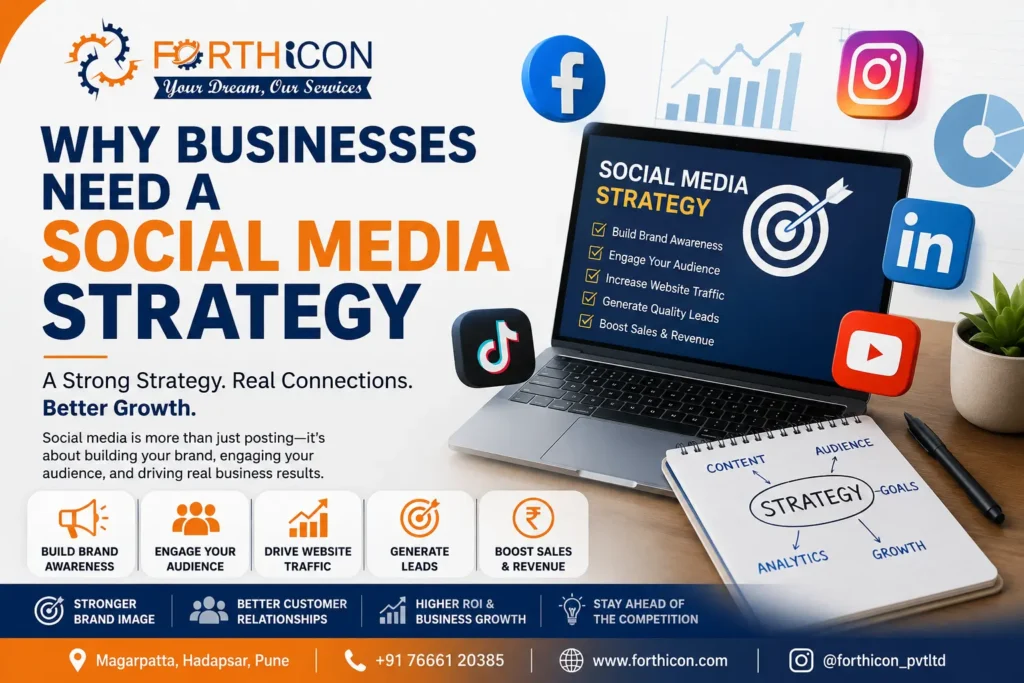
In today’s competitive digital environment, simply being active on social media is not enough. Without a clear and well-defined strategy, businesses often struggle to achieve consistent results, maintain audience engagement, or generate meaningful returns from their efforts. A structured approach is essential, especially when using social media platforms to promote business, to ensure that every post, campaign, and interaction contributes toward long-term goals.
A successful social media strategy acts as a roadmap that guides all marketing activities, helping businesses stay focused, organized, and result-driven. It ensures that time and resources are used effectively while maximizing the impact of social media platforms to promote business growth.
A strong strategy should include:
- Clearly defined objectives aligned with overall business goals
- In-depth audience research to understand customer needs, preferences, and behavior
- Thoughtful content planning to maintain consistency and relevance
- Careful platform selection based on target audience and business type
- Continuous performance tracking using analytics and insights
- Regular optimization of campaigns based on data and results
When these elements are properly implemented, businesses can create more targeted and engaging content that resonates with their audience. Strategic planning also helps improve brand visibility, increase engagement, and generate higher-quality leads over time.
Ultimately, a well-structured approach maximizes the effectiveness of social media platforms to promote business, allowing companies to achieve sustainable growth, stronger customer relationships, and measurable marketing success.
Conclusion
The importance of social media platforms to promote business continues to grow as digital interactions become central to customer decision-making. Businesses that effectively leverage platforms such as Facebook, Instagram, LinkedIn, YouTube, TikTok, Pinterest, and WhatsApp can significantly improve brand visibility, customer engagement, lead generation, and revenue growth.
As competition intensifies in 2026, organizations must adopt strategic social media marketing practices to remain relevant and competitive. By selecting the right platforms, creating valuable content, engaging audiences consistently, and monitoring performance, businesses can build stronger relationships and achieve long-term success.
Investing in the right social media platforms to promote business is no longer optional—it is a critical component of sustainable digital growth and modern marketing success.
FAQs
1. What are social media platforms to promote business?
Social media platforms to promote business are online channels like Facebook, Instagram, LinkedIn, YouTube, and others where companies share content, run ads, and engage with customers to grow their brand and increase sales.
2. Which social media platform is best for business promotion?
The best platform depends on your target audience and goals. For example, Instagram and Facebook are great for B2C marketing, LinkedIn is ideal for B2B businesses, and YouTube works well for video-based marketing and tutorials.
3. How do social media platforms help businesses grow?
They help businesses increase brand awareness, reach new audiences, generate leads, drive website traffic, improve customer engagement, and boost conversions through targeted marketing strategies.
4. How often should businesses post on social media?
Posting frequency depends on the platform and strategy, but consistency is key. Most businesses post daily or several times a week to maintain visibility and engagement with their audience.
5. Can small businesses benefit from social media marketing?
Yes, small businesses can significantly benefit from social media marketing. It is cost-effective, helps reach local and global audiences, builds brand trust, and allows direct interaction with customers.