
Table of Contents
Introduction
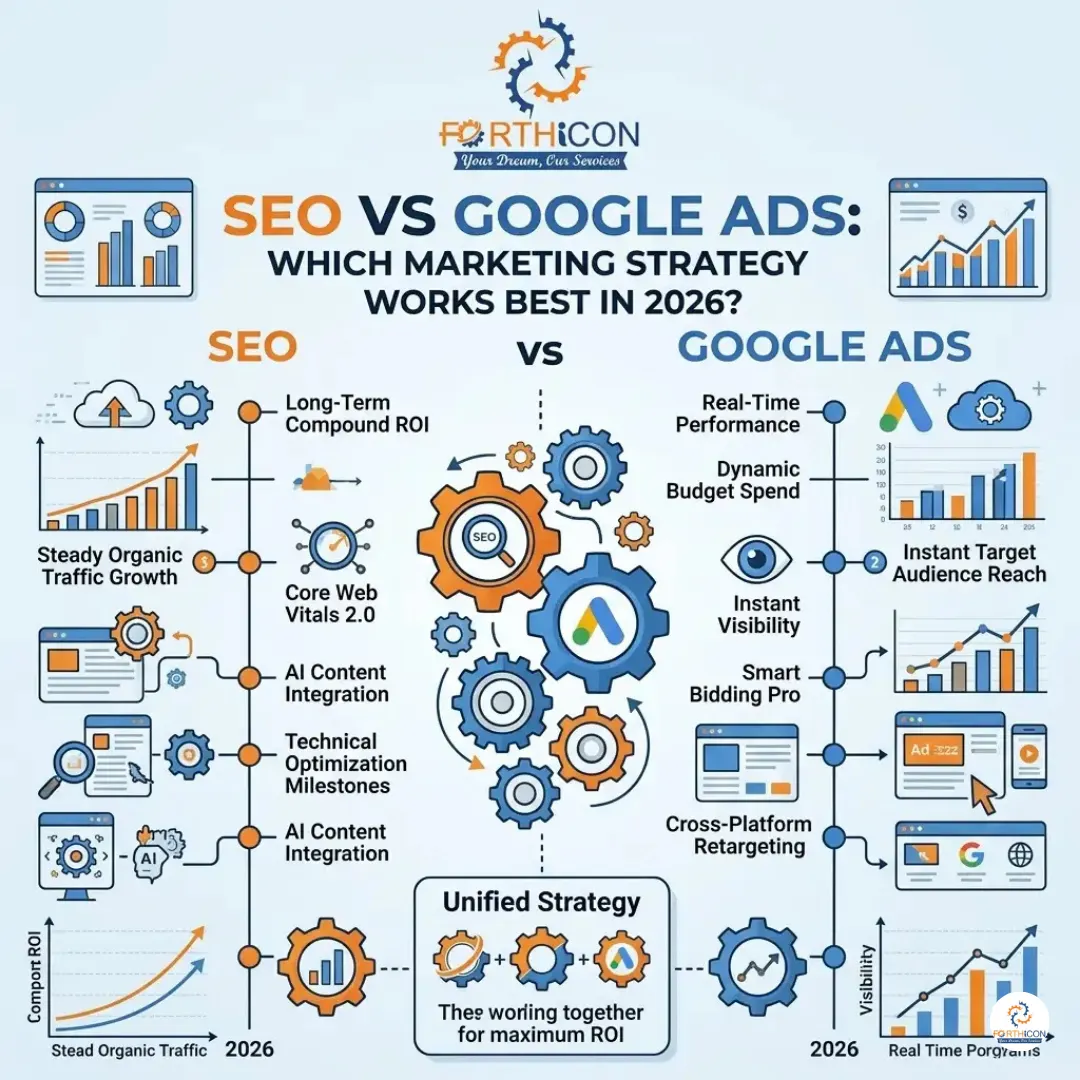
In the competitive world of digital marketing, businesses constantly look for the most effective ways to reach their target audience online. Two of the most powerful strategies used today are Search Engine Optimization (SEO) and Google Ads. Both methods help businesses increase visibility on search engines, drive website traffic, and generate leads.
However, many business owners often struggle with an important question: SEO vs Google Ads — which strategy is better?
Understanding the difference between these two marketing strategies is essential for making informed decisions about your marketing budget and long-term growth.
Search engines like Google dominate online search activity, and businesses compete to appear on the first page of results. While SEO focuses on improving organic rankings, Google Ads provides paid visibility through sponsored listings.
In this article, we will explore the differences between SEO vs Google Ads, compare their advantages and disadvantages, and help you decide which strategy works best for your business in 2026.
What is SEO?
Search Engine Optimization (SEO) is the process of improving a website’s visibility on search engines by optimizing content, keywords, and technical elements.
SEO helps websites appear in organic search results, which means businesses do not pay directly for clicks.
SEO strategies involve optimizing multiple aspects of a website to improve search rankings.
Key Components of SEO
Keyword Research:
Identifying the search terms users type when looking for products or services.
On-Page SEO
Optimizing website content, headings, images, and internal links.
Technical SEO
Improving website speed, mobile usability, and site structure.
Technical SEO
Acquiring backlinks from other websites to increase credibility.
SEO is considered a long-term marketing strategy because it takes time for search engines to index and rank optimized content.
What is Google Ads?
Google Ads is a paid advertising platform that allows businesses to display advertisements on search engine results pages and websites.
When users search for specific keywords, businesses can place paid ads at the top of the search results.
Companies pay only when someone clicks on their advertisement. This advertising model is called Pay-Per-Click (PPC).
Key Features of Google Ads
Keyword Targeting
Businesses choose keywords related to their products or services.
Audience Targeting
Advertisers can target specific locations, interests, and demographics.
Budget Control
Businesses can set daily advertising budgets.
Performance Tracking
Campaign performance can be measured using analytics tools.
Google Ads allows businesses to generate traffic immediately after launching campaigns.
SEO vs Google Ads: Key Differences
Understanding the differences between SEO vs Google Ads helps businesses choose the right strategy.
| Feature | SEO | Google Ads |
|---|---|---|
| Cost | Free traffic (long-term investment) | Paid per click |
| Speed | Takes time to see results | Immediate traffic |
| Visibility | Organic search results | Paid ads at top |
| Sustainability | Long-term traffic | Stops when ads stop |
| Trust | Higher credibility | Seen as advertising |
Both strategies have unique advantages depending on business goals.
Advantages of SEO
SEO offers several benefits for businesses looking for sustainable growth.
Long-Term Traffic
Once a website ranks well on search engines, it can generate consistent traffic without paying for every click.
Higher Credibility
Users often trust organic search results more than advertisements.
Cost-Effective Marketing
Although SEO requires time and effort, it can provide a high return on investment over time.
Better User Experience
SEO improves website structure, page speed, and content quality, enhancing user experience.
SEO is ideal for businesses that want to build a strong online presence and long-term brand authority.
Advantages of Google Ads
Google Ads also provides powerful marketing opportunities for businesses.
Instant Visibility
Google Ads campaigns can generate traffic immediately after launching.
Precise Targeting
Advertisers can target specific audiences based on location, demographics, and search intent.
Measurable Results
Campaign performance can be tracked using tools like Google Analytics.
Flexible Budget
Businesses can control advertising costs by adjusting daily budgets and bid strategies.
Google Ads is especially useful for businesses that want quick leads and immediate results.
Disadvantages of SEO
Although SEO offers long-term benefits, it also has some challenges.
Slow Results
SEO takes time to show noticeable improvements in search rankings.
Continuous Optimization
Websites must regularly update content and improve SEO strategies to maintain rankings
High Competition
Many industries have intense competition for popular keywords.
Despite these challenges, SEO remains one of the most valuable digital marketing strategies.
Disadvantages of Google Ads
Google Ads also has certain limitations businesses should consider.
Costly for Competitive Keywords
Popular keywords can have high cost-per-click rates.
Temporary Traffic
Traffic stops when the advertising budget runs out.
Requires Expertise
Running successful campaigns requires knowledge of bidding strategies and audience targeting.
Businesses must optimize campaigns regularly to achieve the best results.
SEO vs Google Ads: Which is Better for Businesses?
Choosing between SEO vs Google Ads depends on business goals, marketing budget, and timeline.
When SEO is the Better Option
SEO is best for businesses that want:
- Long-term website traffic
- Brand authority and credibility
- Cost-effective marketing strategies
- Sustainable growth
SEO works particularly well for content-driven websites and businesses focusing on organic growth.
When Google Ads is the Better Option
Google Ads is ideal for businesses that want:
- Immediate traffic and leads
- Fast product promotion
- Targeted advertising campaigns
- Short-term marketing results
Businesses launching new products often use Google Ads to attract customers quickly.
Combining SEO and Google Ads for Maximum Results
Many successful companies use both SEO and Google Ads together.
This approach provides the benefits of both strategies.
Benefits of Combining Both Strategies
Increased Visibility
Businesses can appear in both organic search results and paid advertisements.
Better Keyword Insights
Google Ads data helps businesses identify high-performing keywords for SEO strategies.
gher Traffic Potential
Using both strategies increases the chances of attracting more website visitors.
Improved Conversion Rates
Businesses can test different marketing messages through ads while building long-term SEO content.
Using both strategies together creates a balanced and powerful digital marketing strategy.
SEO vs Google Ads in 2026: Future Trends
Digital marketing continues to evolve with new technologies and changing user behavior.
Here are some trends shaping SEO vs Google Ads strategies in 2026.
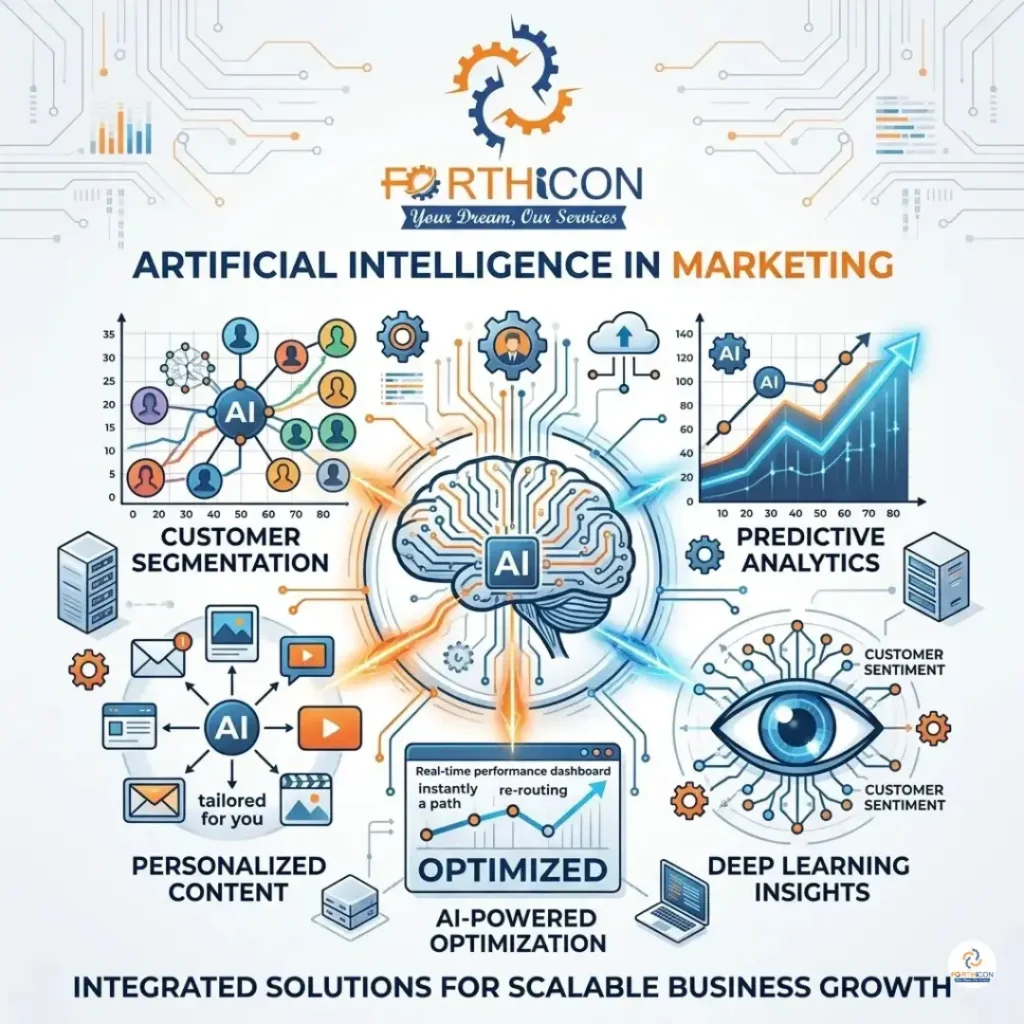
Artificial Intelligence in Marketing
AI tools help marketers analyze search behavior and optimize campaigns more efficiently.
Voice Search Optimization
More users are searching through voice assistants, which requires different SEO strategies.
Video Advertising Growth
Video ads on platforms such as YouTube are becoming increasingly popular.
Personalized Marketing
Advanced analytics allows businesses to deliver highly personalized marketing experiences.
Businesses that adapt to these trends will gain a competitive advantage.
How Businesses Should Choose Their Marketing Strategy
Before deciding between SEO vs Google Ads, businesses should evaluate their marketing goals.
Consider These Factors
Budget Availability
Determine whether your budget supports long-term SEO investment or paid advertising campaigns.
Business Timeline
If you need immediate traffic, Google Ads may be the better option.
Target Audience
Understand where your audience searches for products and services.
Competition Level
Highly competitive industries may require both SEO and paid advertising.
Choosing the right marketing strategy requires careful planning and analysis.
Frequently Asked Questions (FAQ) – SEO vs Google Ads
1.What is the main difference between SEO vs Google Ads?
The primary difference between SEO vs Google Ads lies in how traffic is generated. SEO (Search Engine Optimization) focuses on improving a website’s visibility in organic search results, while Google Ads is a paid advertising platform that places sponsored listings at the top of search engine results.
With SEO, businesses optimize their website content, structure, and keywords to rank higher on search engines like Google. This process takes time but provides long-term results.
Google Ads, on the other hand, allows businesses to bid on keywords and display ads instantly when users search for those terms. Companies pay only when users click on their ads, making it a Pay-Per-Click (PPC) model.
Both strategies help increase online visibility, but they work in different ways and serve different marketing objectives.
2. Which is better for beginners: SEO or Google Ads?
For beginners entering digital marketing, both SEO and Google Ads have advantages.
SEO is ideal for businesses that want long-term growth without continuously paying for traffic. Once a website ranks well in search results, it can generate consistent organic visitors.
Google Ads is better for beginners who want immediate traffic and quick results. Businesses can launch advertising campaigns and start receiving website visitors within hours.
However, Google Ads requires careful budget management and keyword research. Without proper optimization, advertising costs can increase quickly.
Many beginners start with Google Ads to generate quick leads while simultaneously investing in SEO for sustainable long-term traffic.
3. How long does SEO take to show results?
SEO is a long-term digital marketing strategy, and results usually take 3 to 6 months to appear. In highly competitive industries, it may take even longer.
Several factors influence how quickly SEO works:
- Website age and authority
- Quality of content
- Competition for keywords
- Technical website optimization
- Backlink profile
Search engines need time to crawl, index, and evaluate website content before ranking it in search results.
Although SEO requires patience, the long-term benefits include consistent traffic, increased credibility, and reduced dependence on paid advertising.
4. How quickly can Google Ads generate traffic?
Google Ads can generate traffic almost immediately after launching a campaign.
Once an advertising campaign is created and approved, ads can start appearing in search results within minutes. This makes Google Ads one of the fastest ways to attract potential customers online.
Businesses often use Google Ads for:
- Product launches
- Limited-time promotions
- Seasonal marketing campaigns
- Quick lead generation
Because results are instant, Google Ads is ideal for companies that want fast visibility in search engine results.
5. Is SEO cheaper than Google Ads?
In the long run, SEO is generally more cost-effective than Google Ads.
SEO requires an investment in content creation, website optimization, and link building, but it does not require paying for every visitor. Once a website ranks well, it can generate free organic traffic for months or even years.
Google Ads operates on a Pay-Per-Click model, meaning businesses must pay every time someone clicks on their advertisement.
For competitive keywords, the cost per click can become expensive, especially in industries like finance, insurance, and technology.
Therefore, SEO is often considered a long-term investment, while Google Ads is more suitable for short-term marketing goals.
6. Can businesses use both SEO and Google Ads together?
Yes, combining SEO and Google Ads is one of the most effective digital marketing strategies.
Using both methods together provides several advantages.
Businesses can appear in both organic search results and paid advertisements, increasing visibility and credibility.
Google Ads also helps marketers discover high-performing keywords, which can later be targeted through SEO content.
This combined approach helps businesses attract both immediate traffic and long-term organic visitors.
Many successful companies allocate their marketing budgets to both strategies for maximum impact.
7. Which strategy provides better long-term results?
SEO typically provides better long-term results compared to Google Ads.
Once a website ranks highly for important keywords, it can continue generating organic traffic without additional advertising costs.
SEO also helps build brand authority and trust among users. Many people prefer clicking on organic search results rather than paid advertisements.
However, maintaining strong SEO performance requires continuous optimization, content updates, and technical improvements.
While SEO takes time to build momentum, it often produces sustainable growth for businesses.
8. What industries benefit most from Google Ads?
Google Ads is particularly effective for industries that rely on fast customer acquisition and lead generation.
Some industries that benefit significantly from Google Ads include:
- E-commerce businesses
- Local service providers
- Real estate companies
- Legal services
- Healthcare providers
These industries often need quick visibility and immediate customer inquiries.
Because Google Ads allows precise audience targeting, businesses can reach potential customers who are actively searching for their services.
9. Does SEO help improve website credibility?
Yes, SEO significantly improves website credibility and trust.
When a website appears at the top of organic search results, users often perceive it as more trustworthy and authoritative.
High-quality SEO involves creating valuable content, improving website usability, and earning backlinks from reputable websites.
Search engines prioritize websites that provide useful and relevant information to users.
As a result, businesses with strong SEO strategies often gain greater customer trust and higher conversion rates.
10. What tools are used for SEO and Google Ads analysis?
Several tools help businesses analyze and improve their SEO and Google Ads performance.
One of the most widely used tools is Google Analytics, which tracks website traffic, user behavior, and conversions.
Another essential tool is Google Search Console, which helps monitor website performance in search results.
For advertising campaigns, businesses often use Google Ads to manage keyword bids, ad performance, and audience targeting.
These tools provide valuable insights that help marketers optimize their digital marketing strategies.
11. Which strategy is better for small businesses?
Small businesses can benefit from both SEO and Google Ads depending on their goals and budget.
SEO is ideal for small businesses that want to build a strong online presence over time.
Local businesses can optimize their websites for local search queries to attract nearby customers.
Google Ads is useful for small businesses that want quick leads and faster sales.
Many small businesses start with a combination of both strategies to maximize visibility and growth.
12. Will SEO still be important in 2026?
Yes, SEO will remain extremely important in 2026 and beyond.
Search engines continue to evolve with new technologies, including artificial intelligence and voice search.
Businesses that invest in high-quality content, user experience, and technical optimization will continue to rank well in search results.
SEO is not just about keywords anymore. It involves creating valuable content that answers users’ questions and solves their problems.
As online competition grows, companies that prioritize SEO will have a significant advantage in attracting organic traffic.